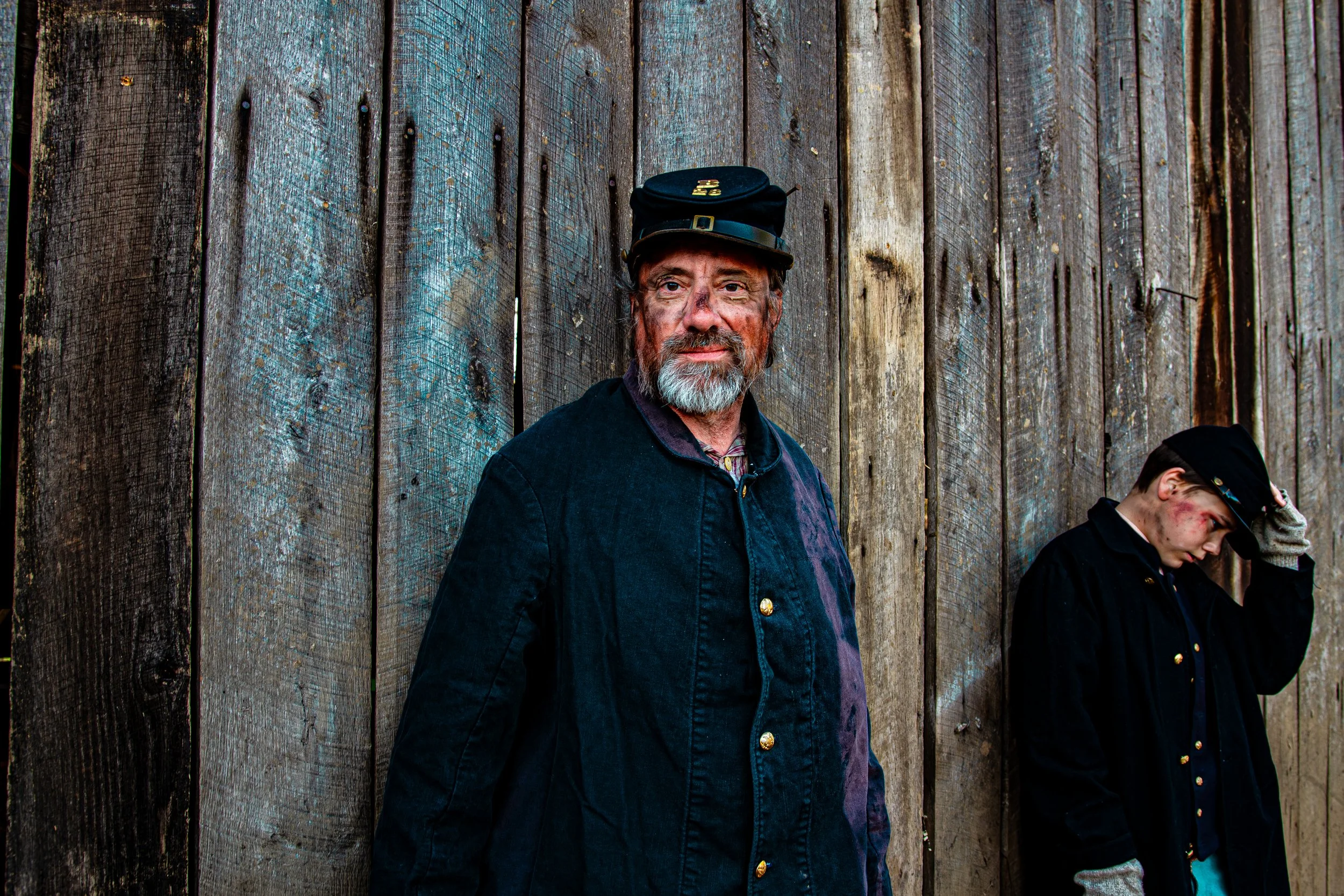
Creating Authentic Civil War Soldiers for Film with Dirt, wounds, and Bruises
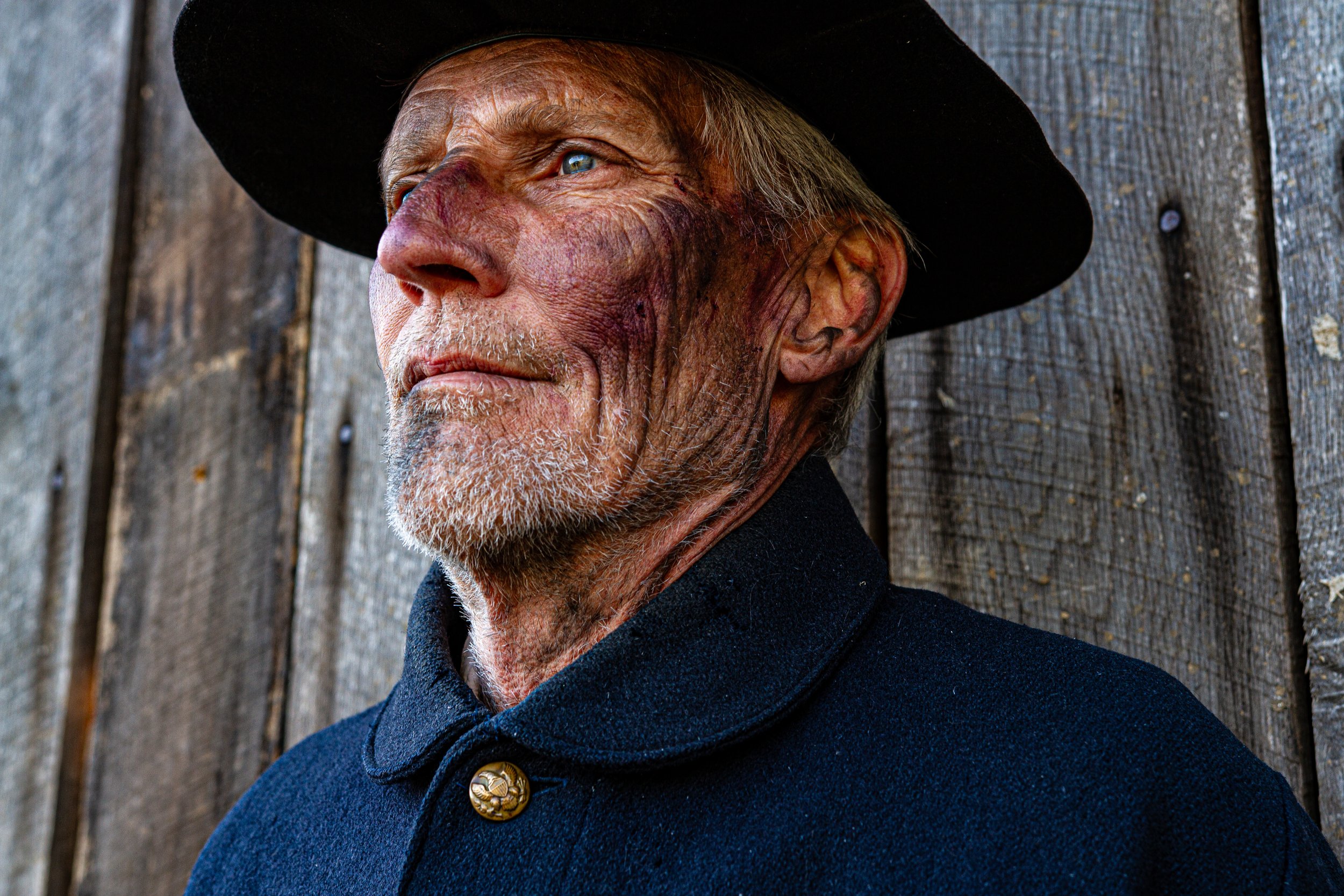
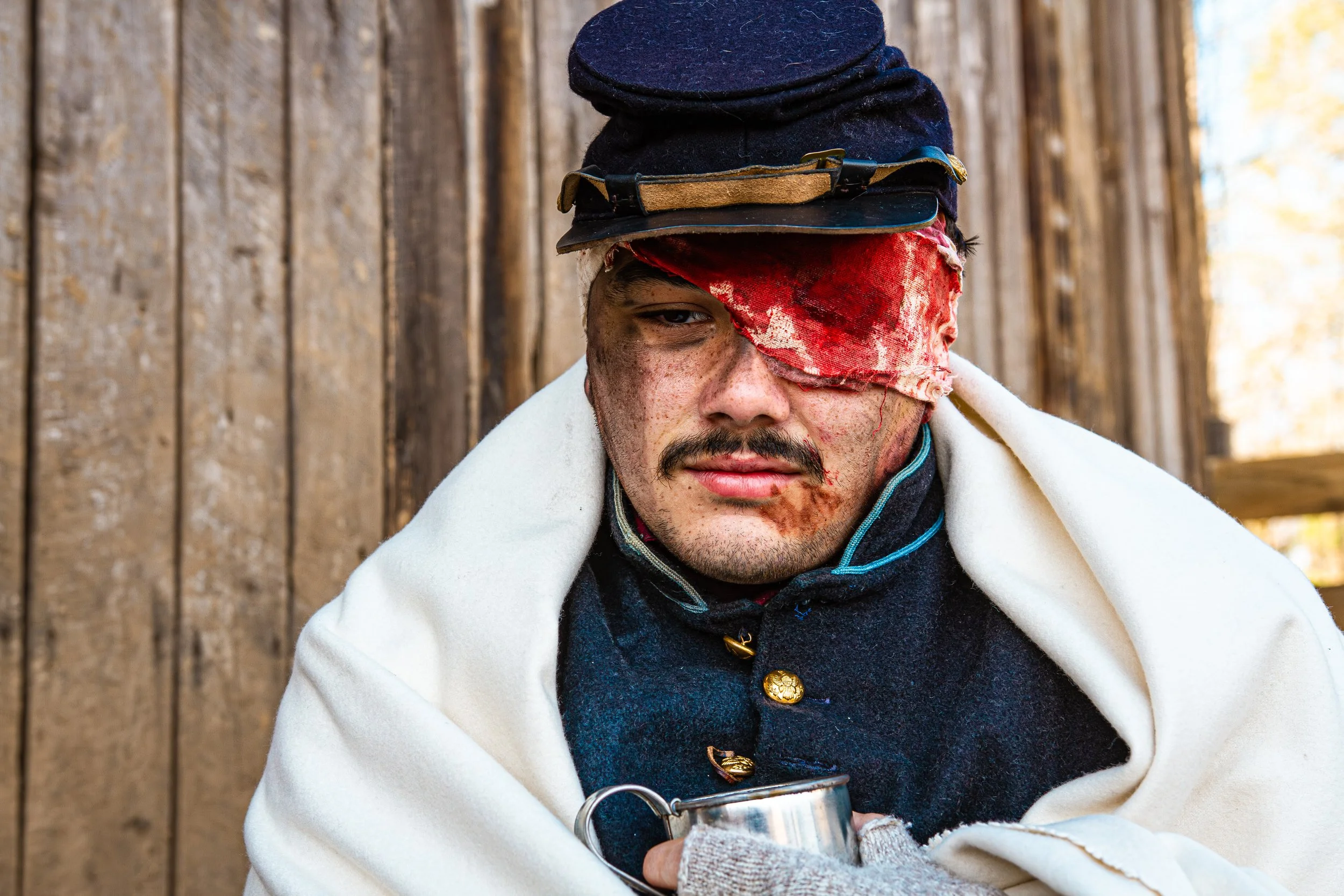
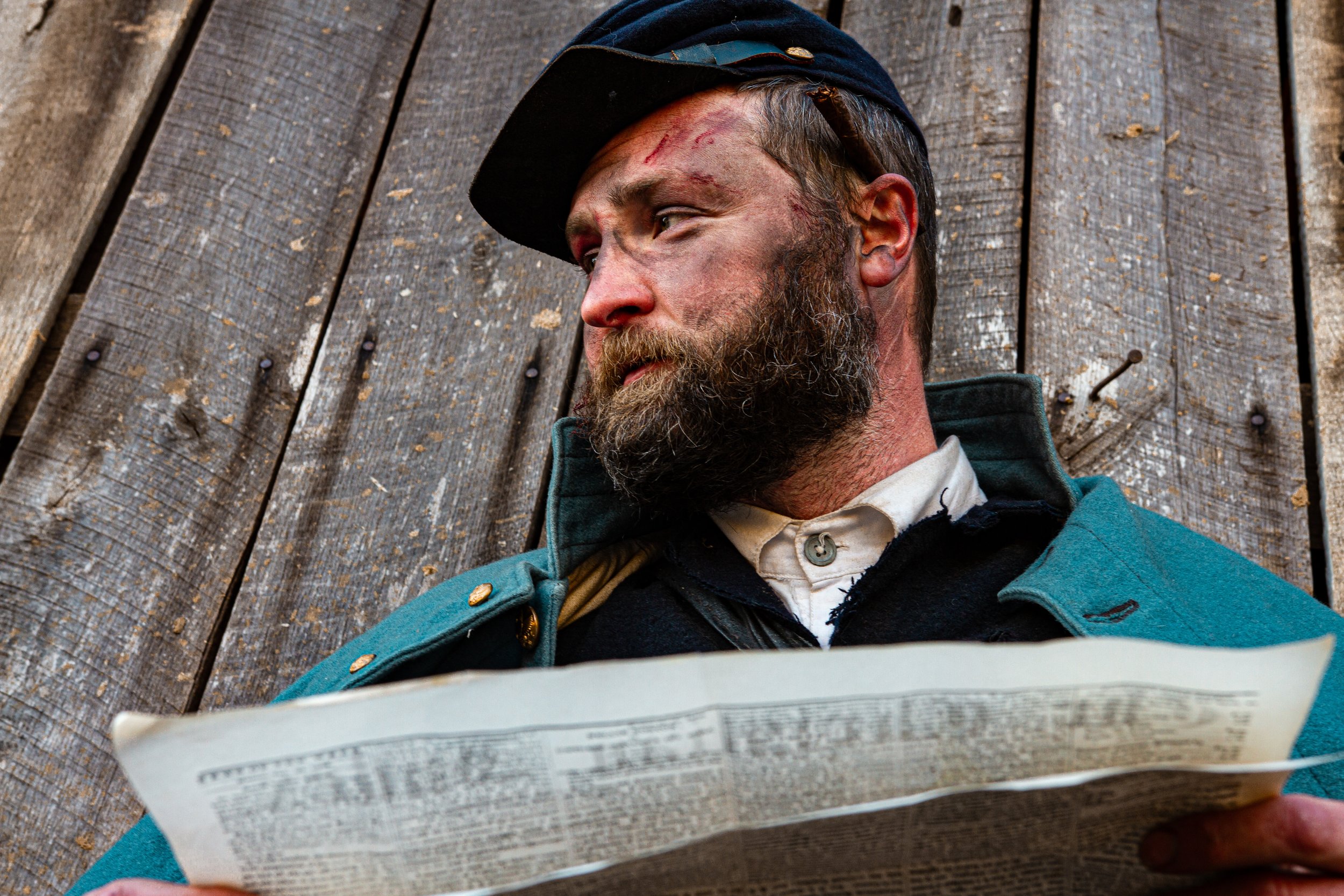
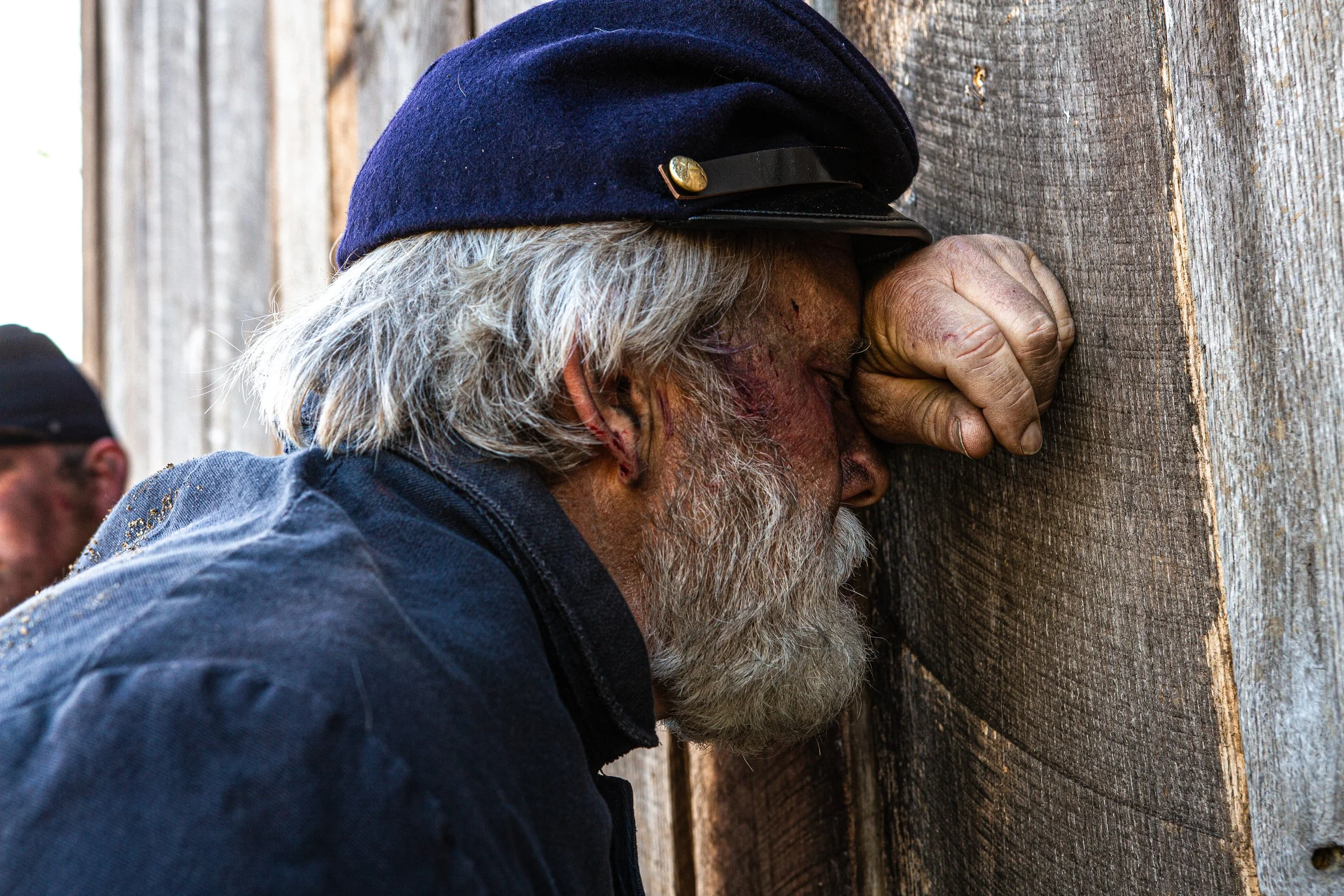
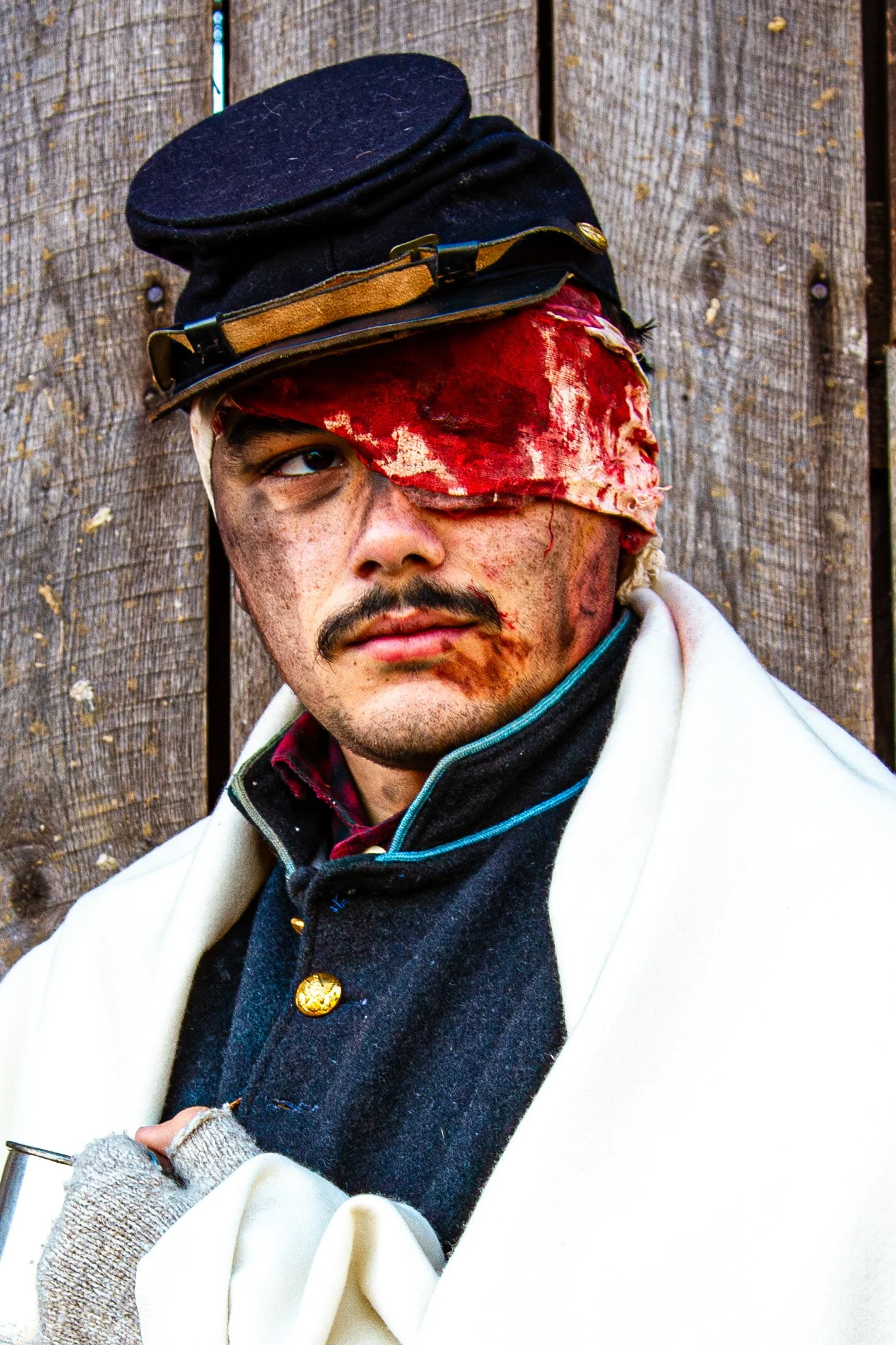
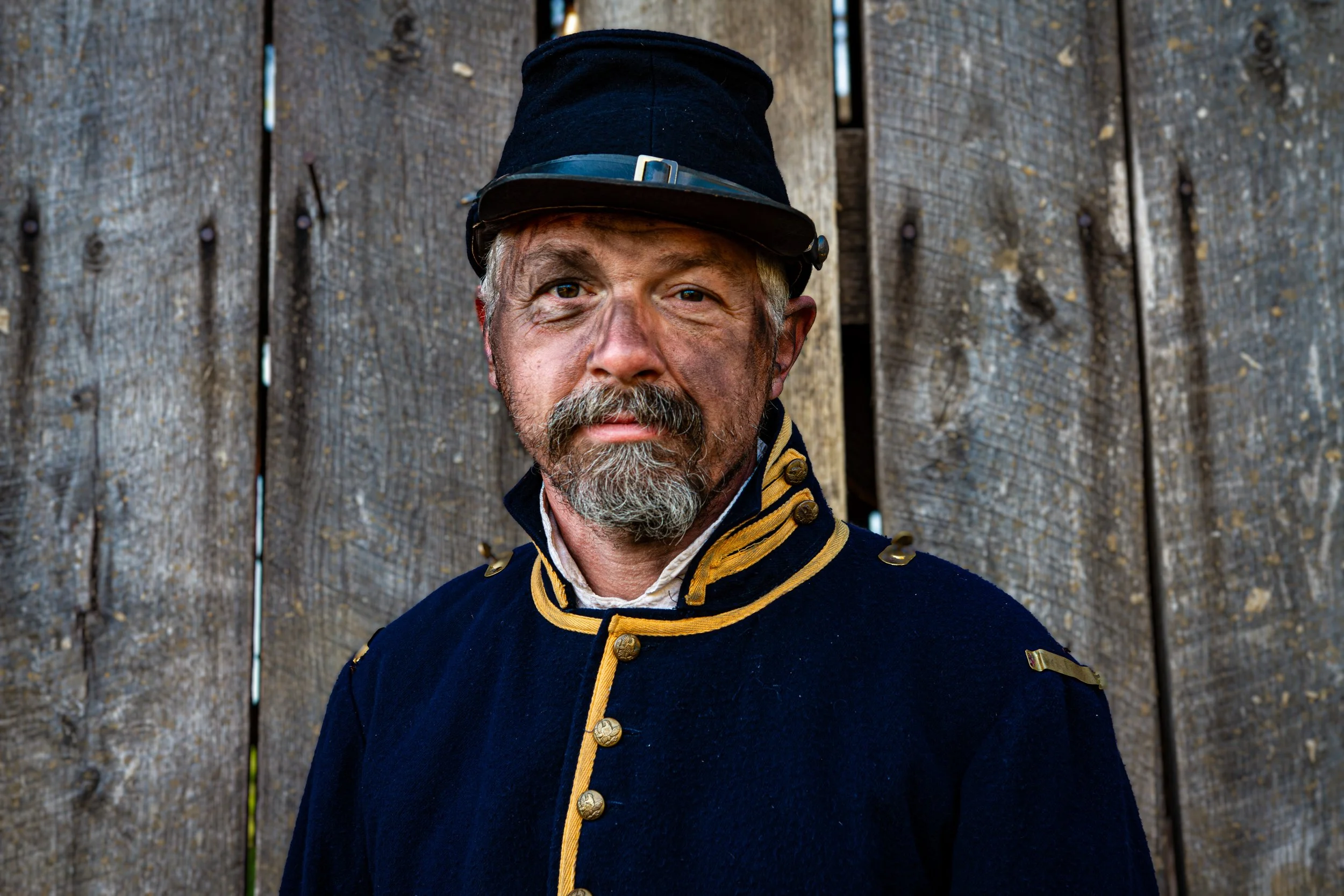
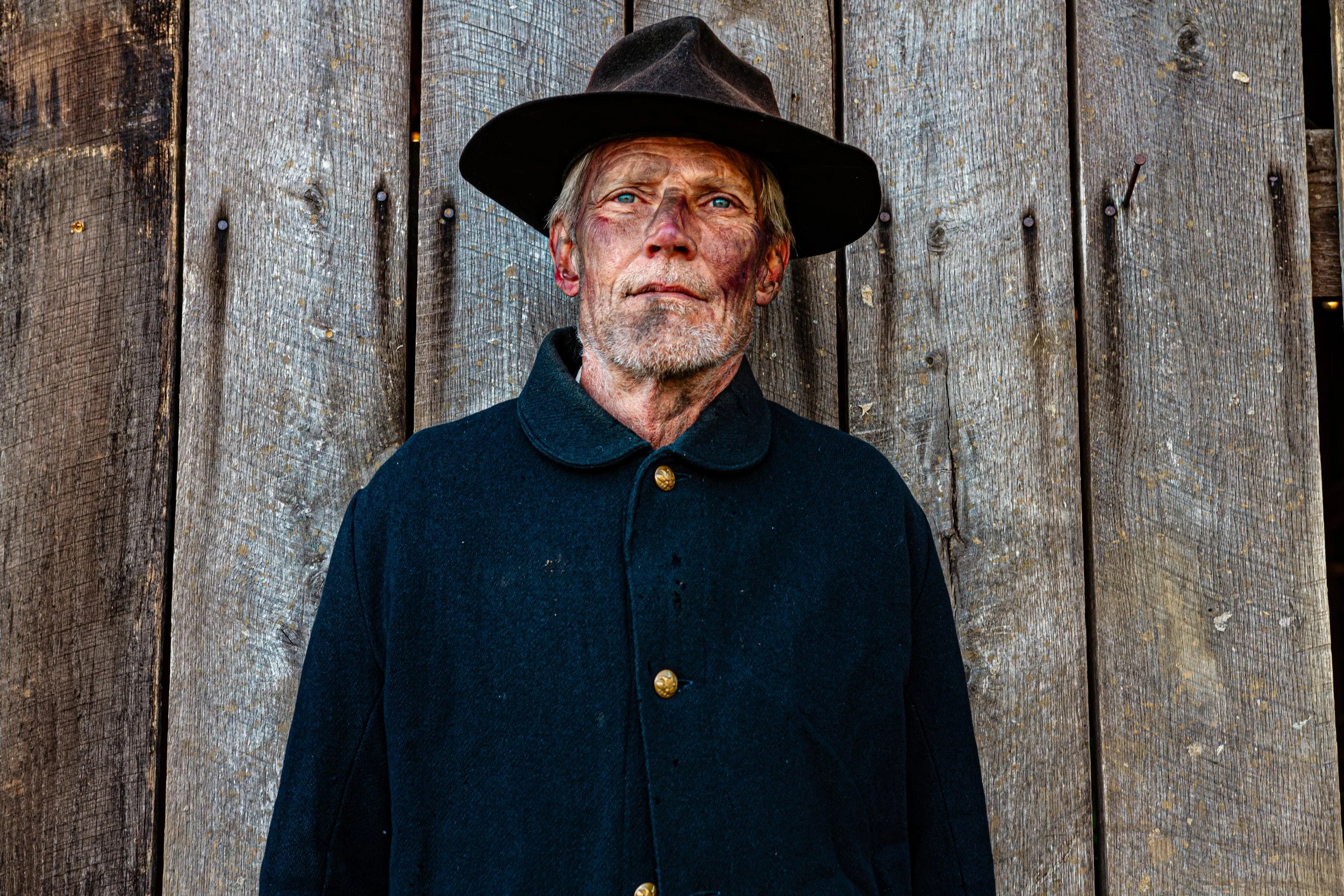
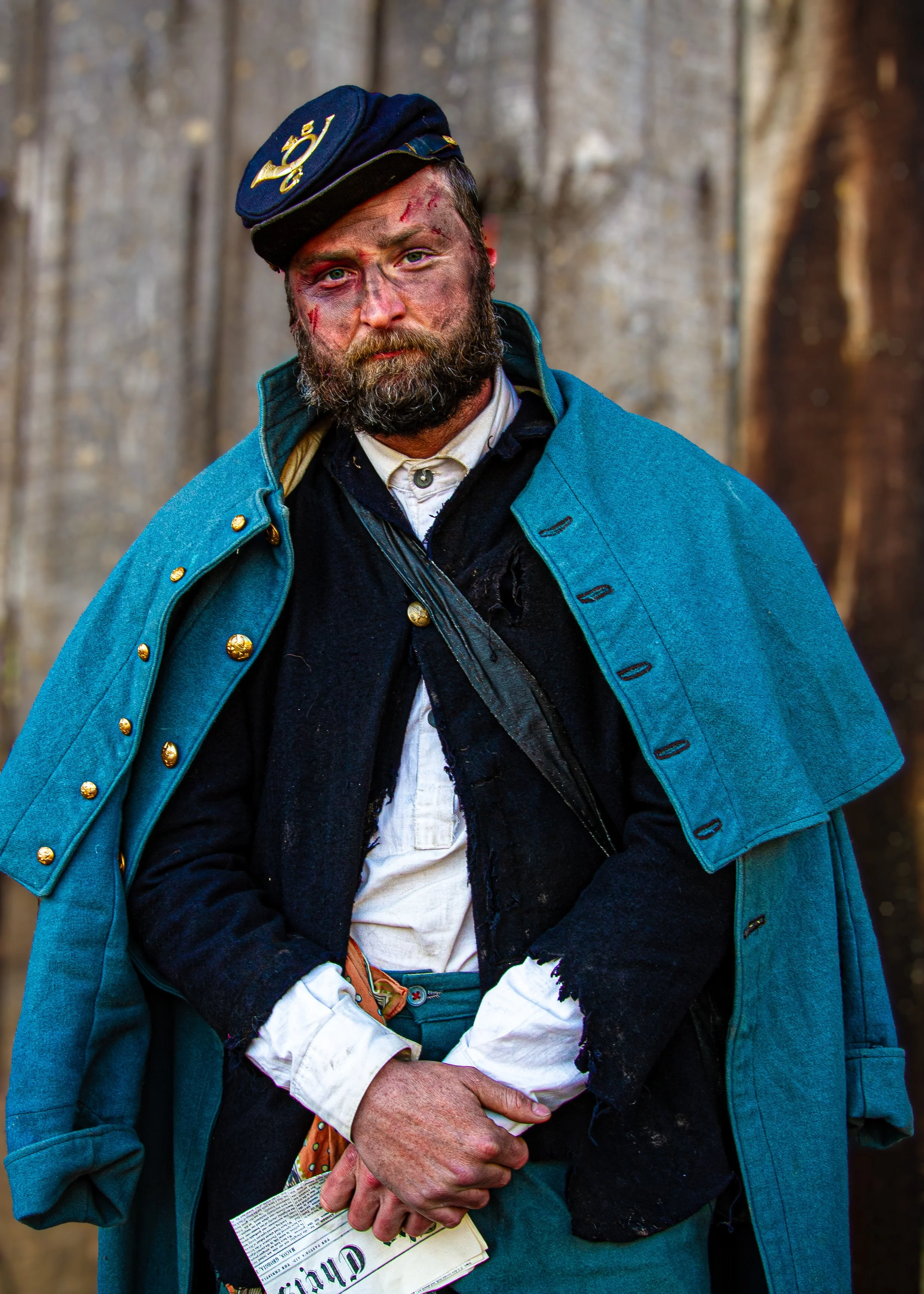
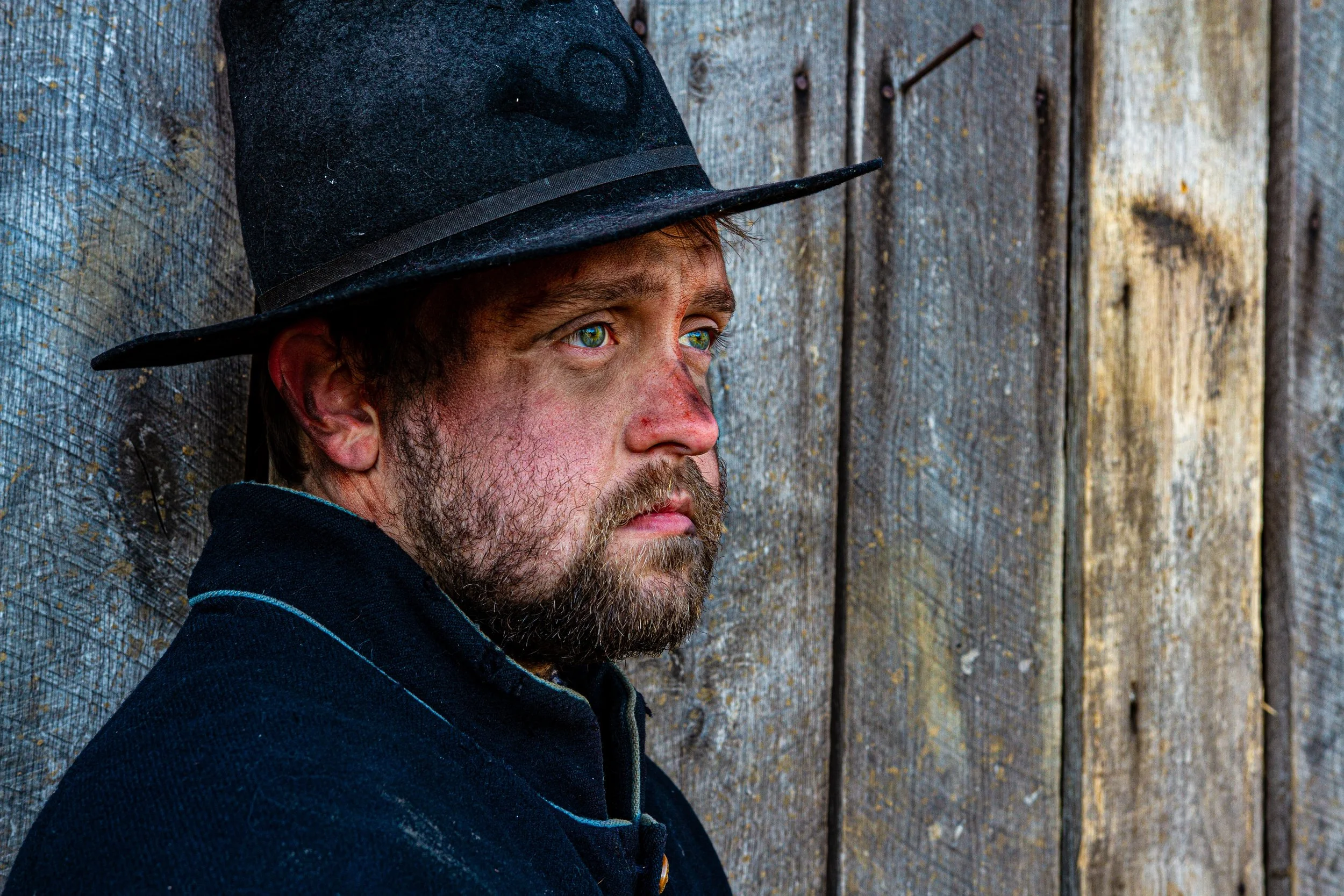
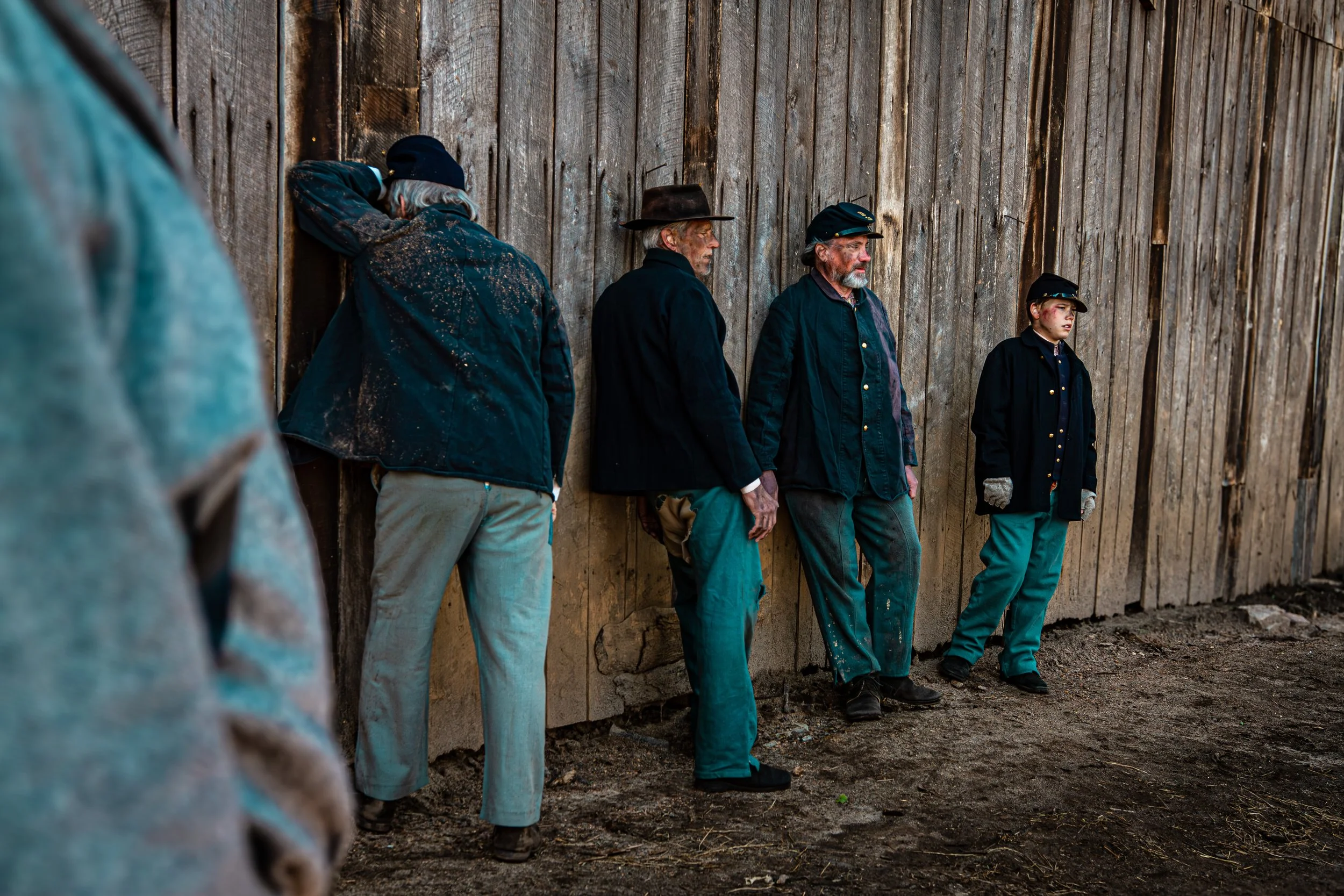
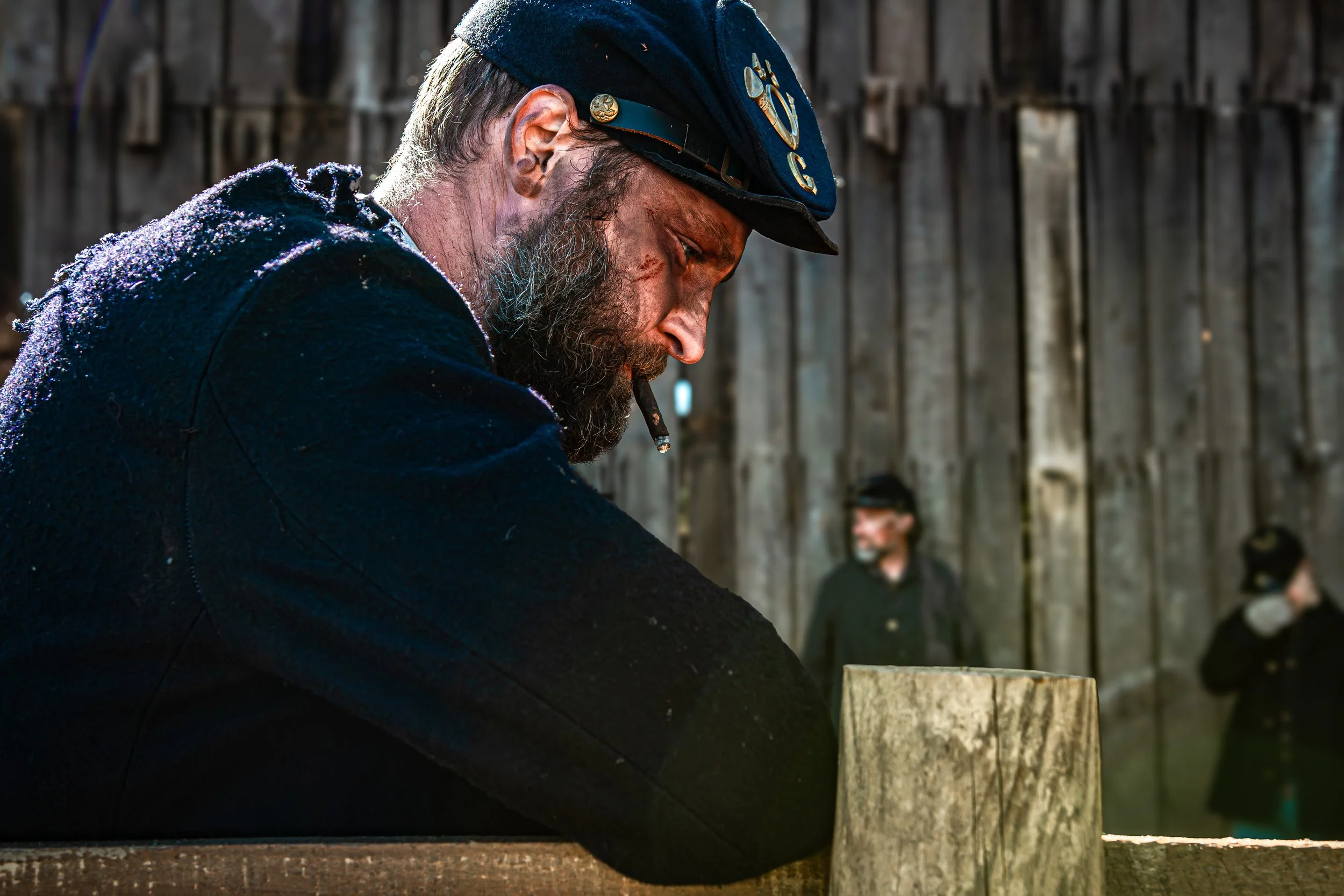
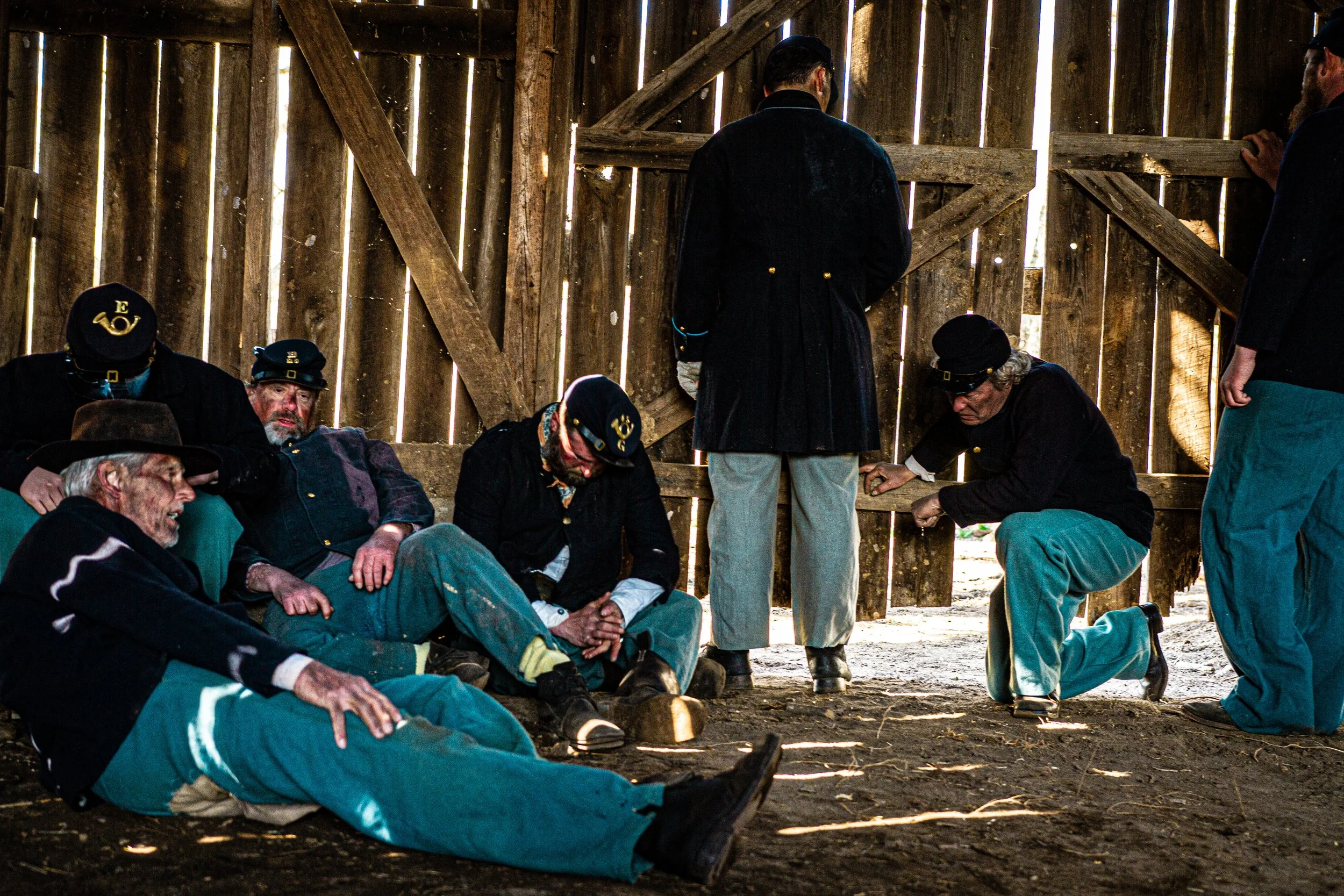
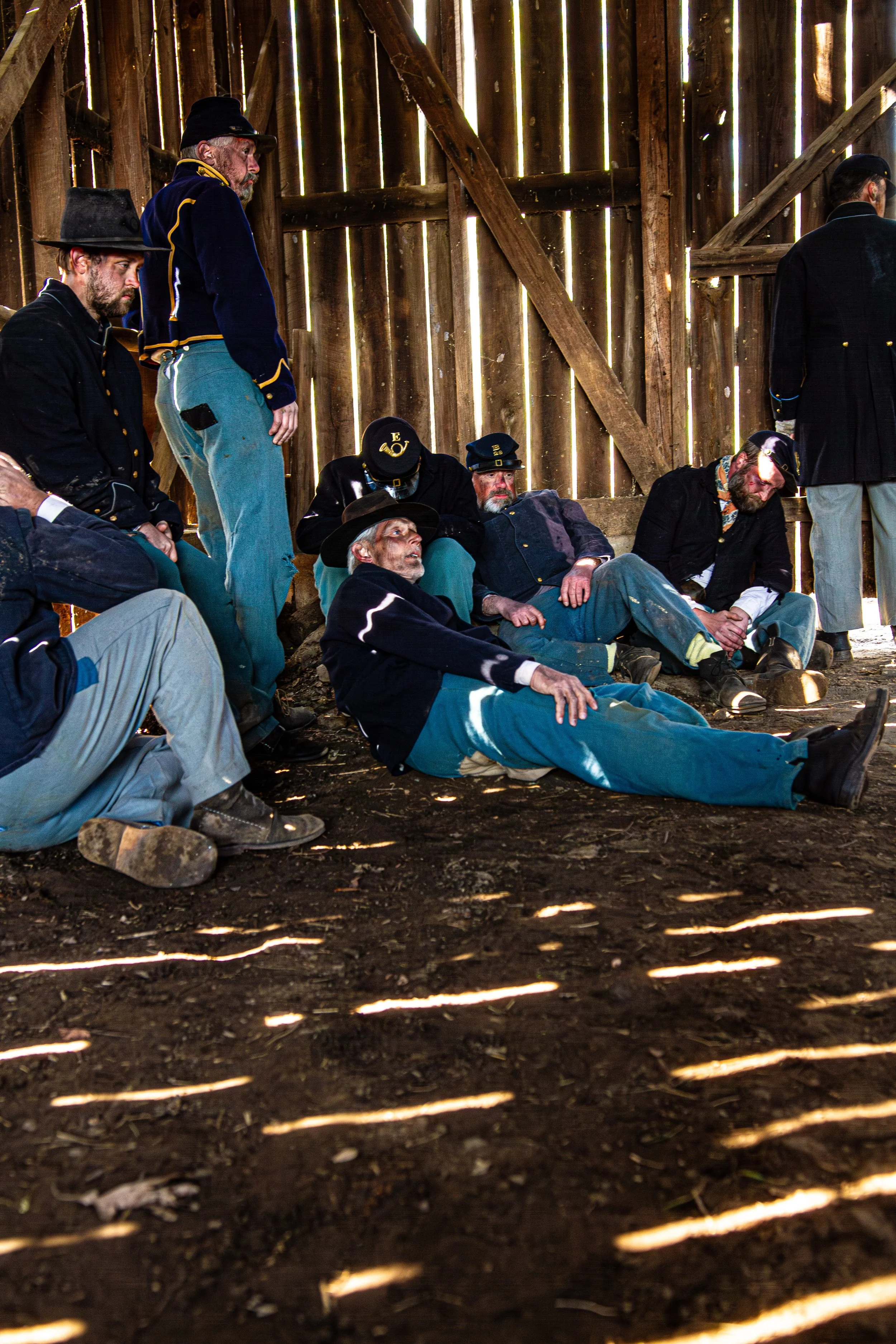
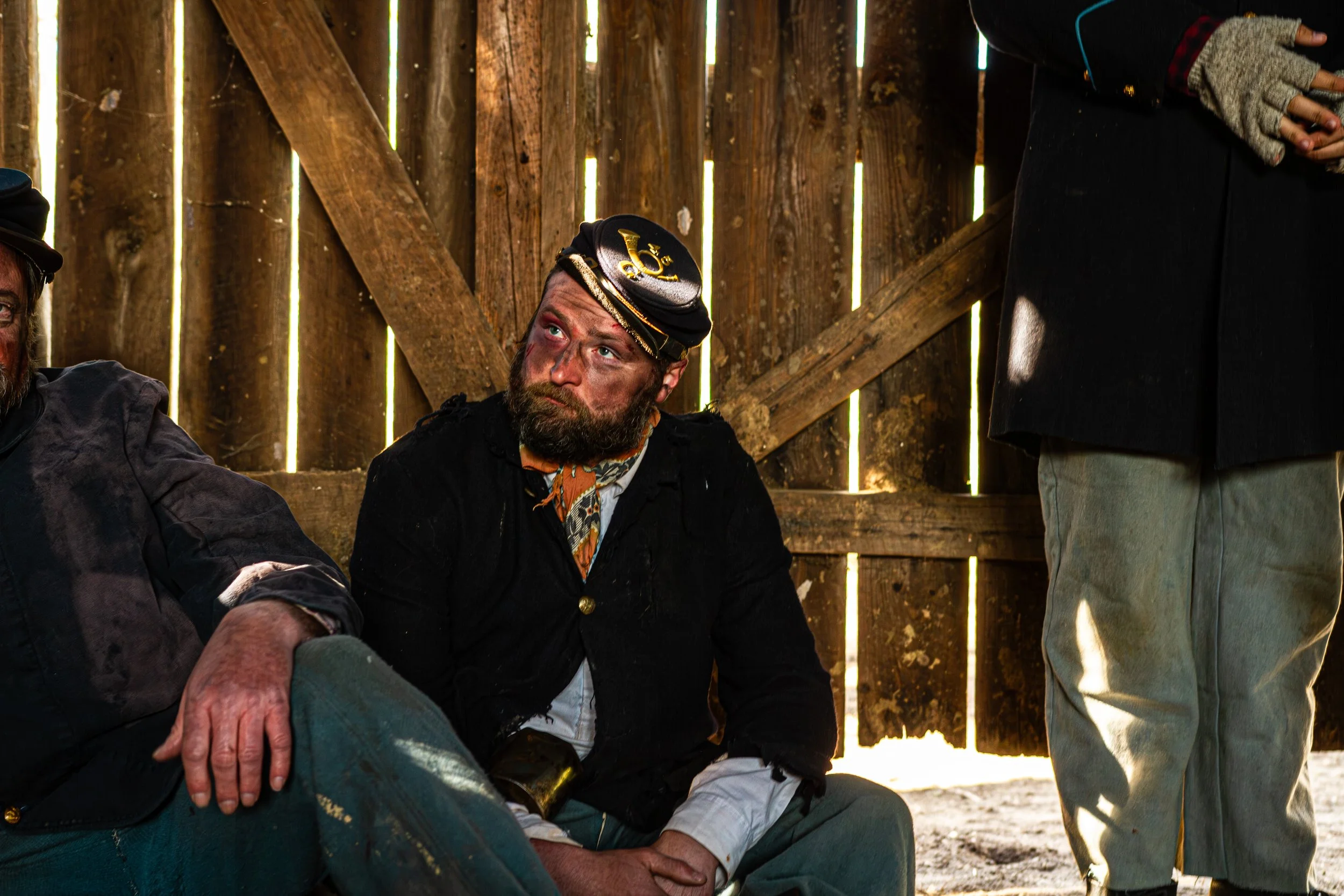
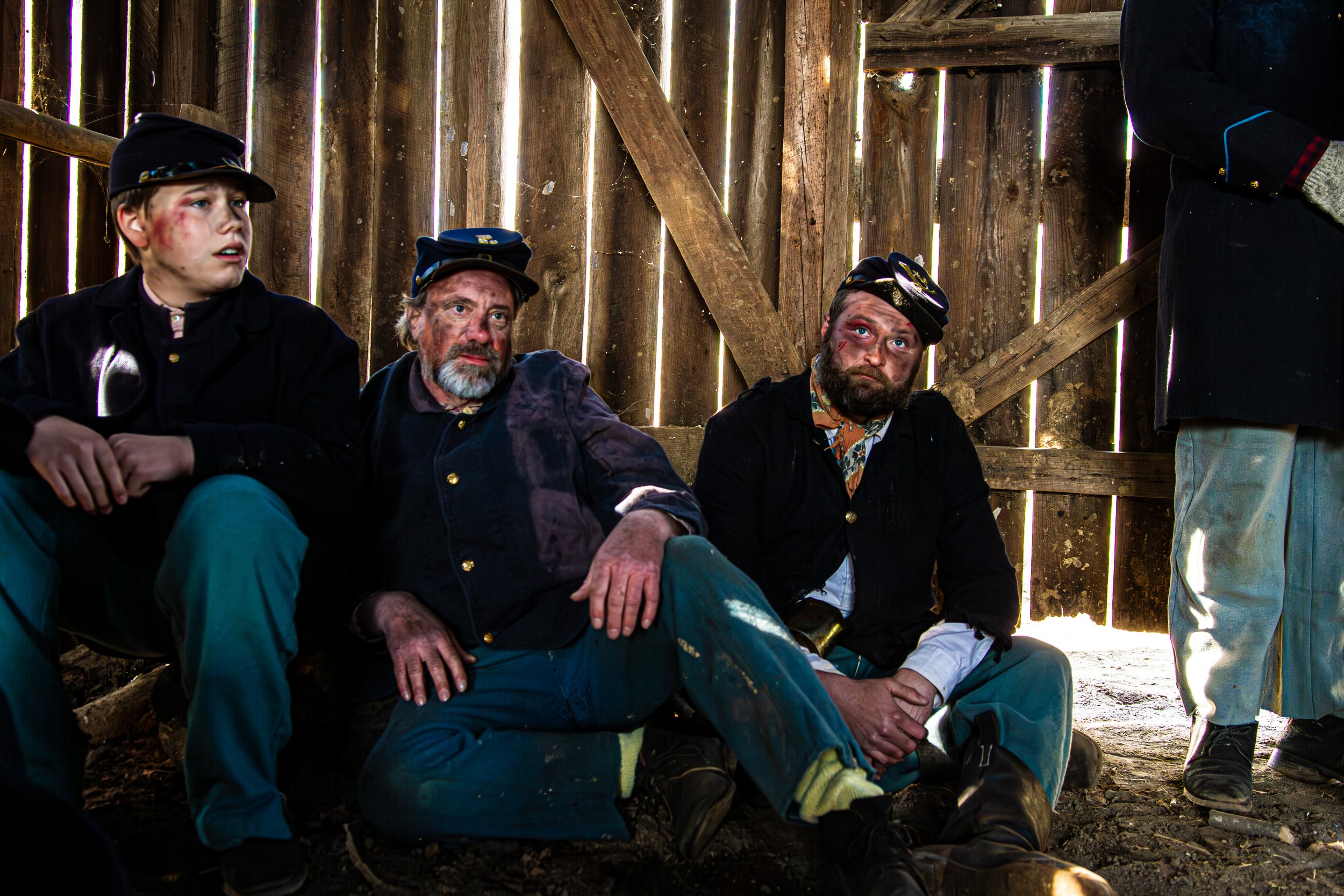
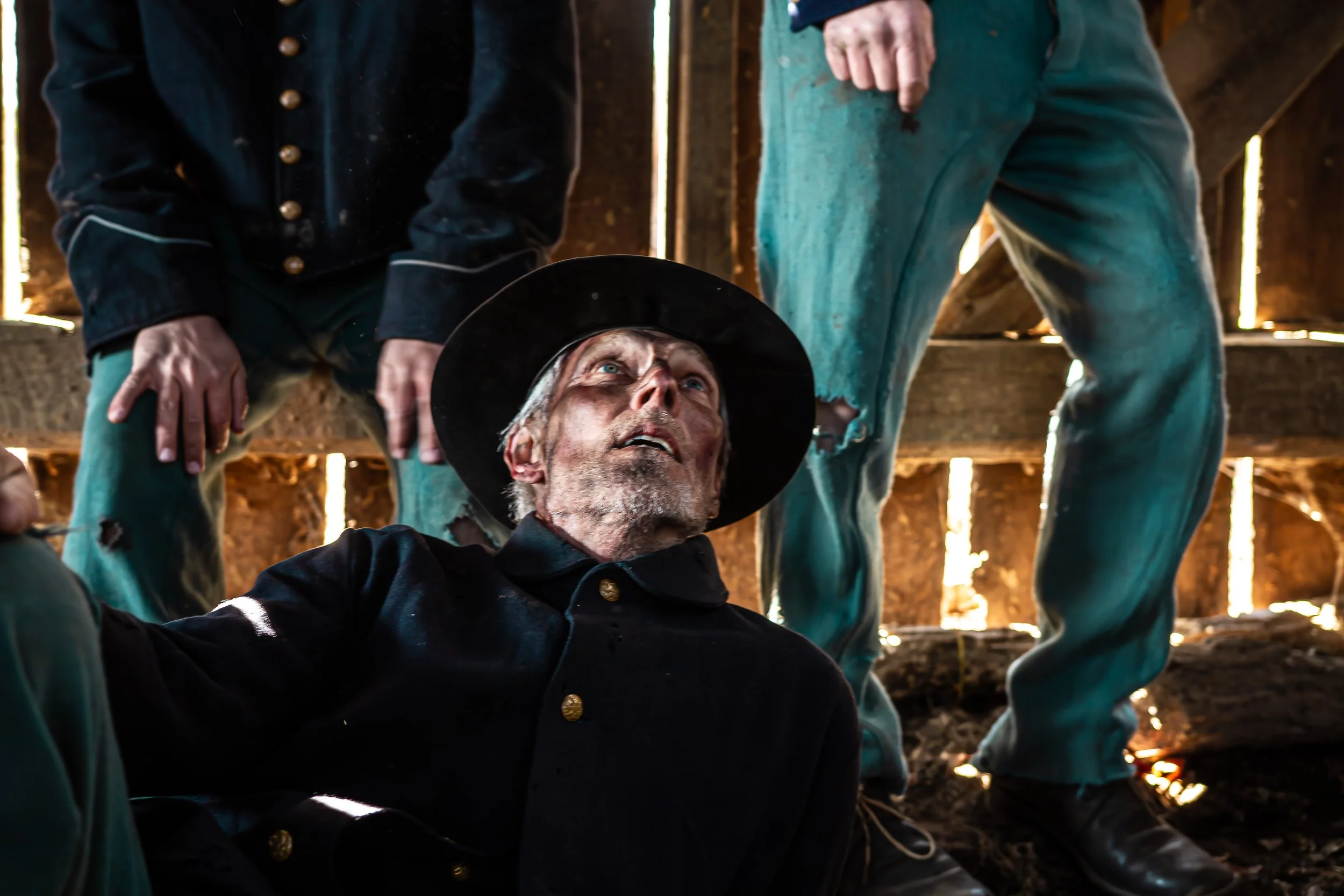
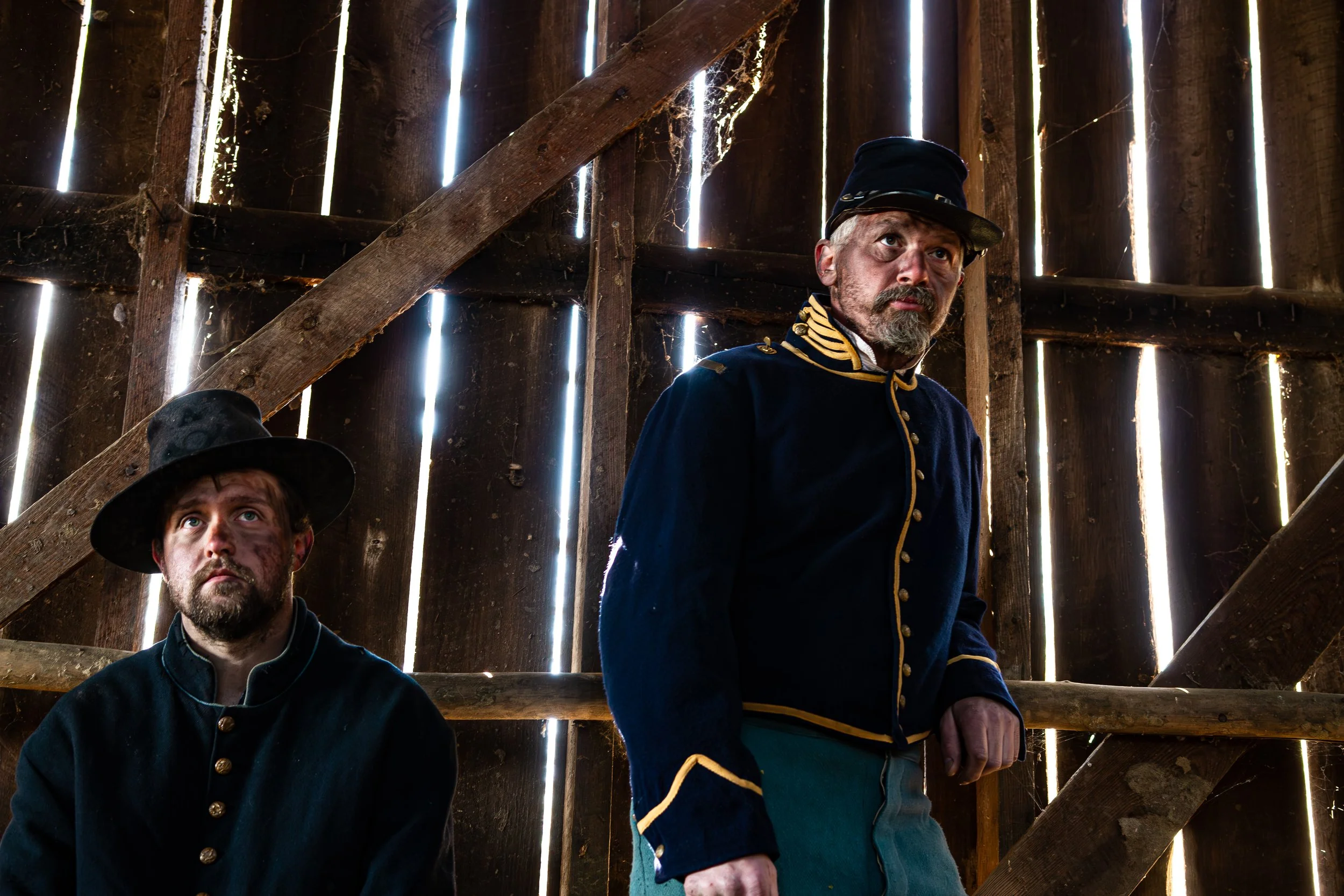
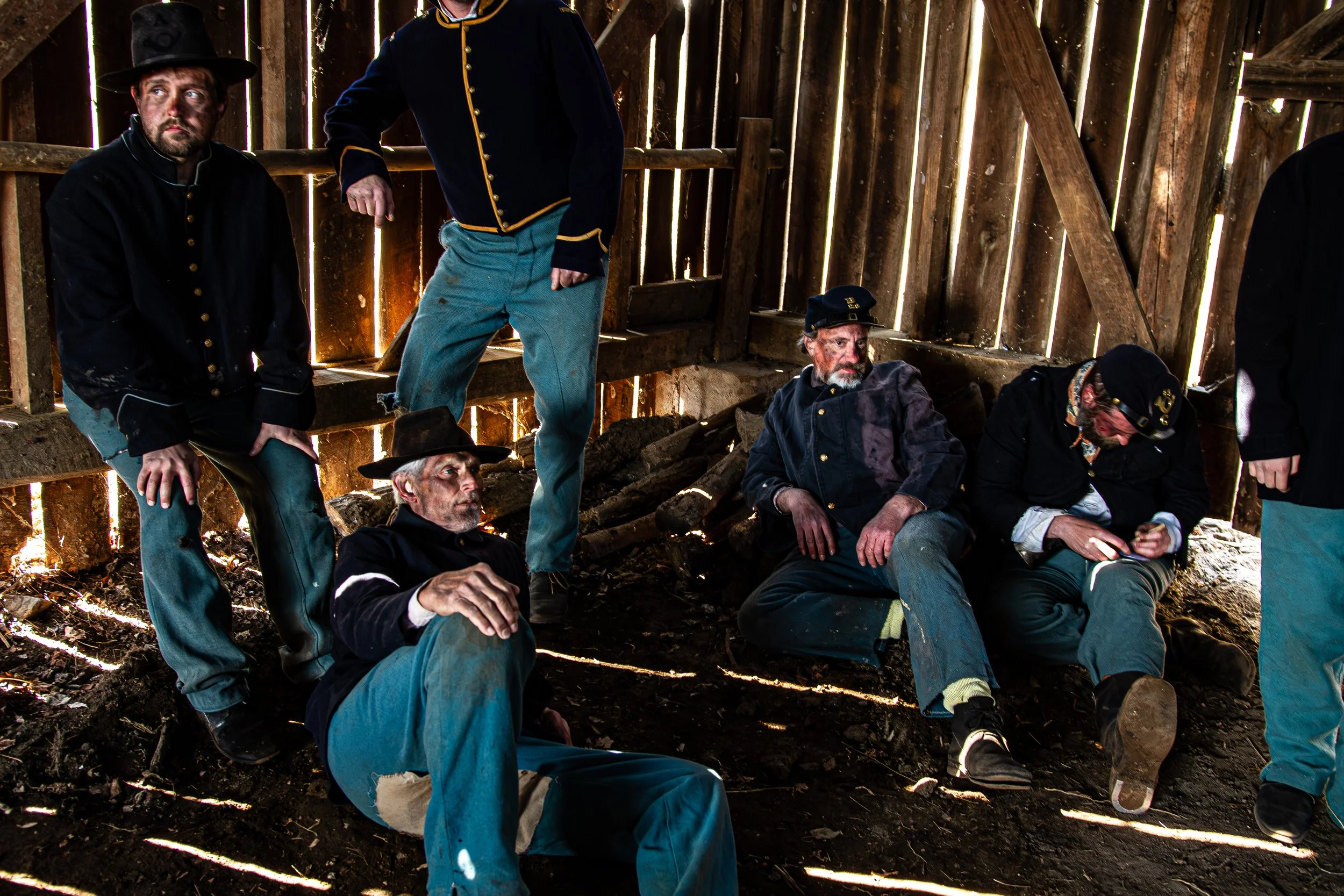
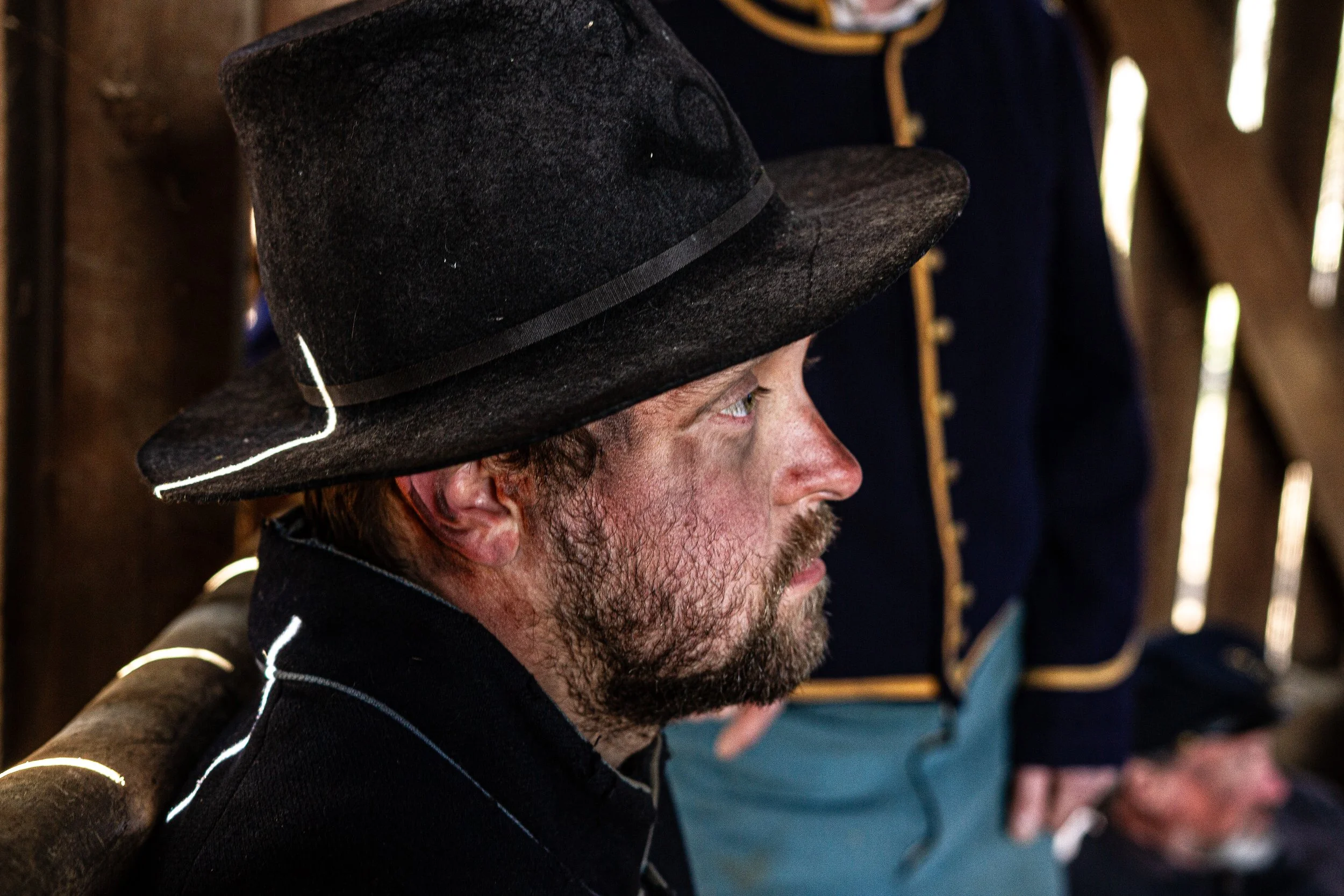
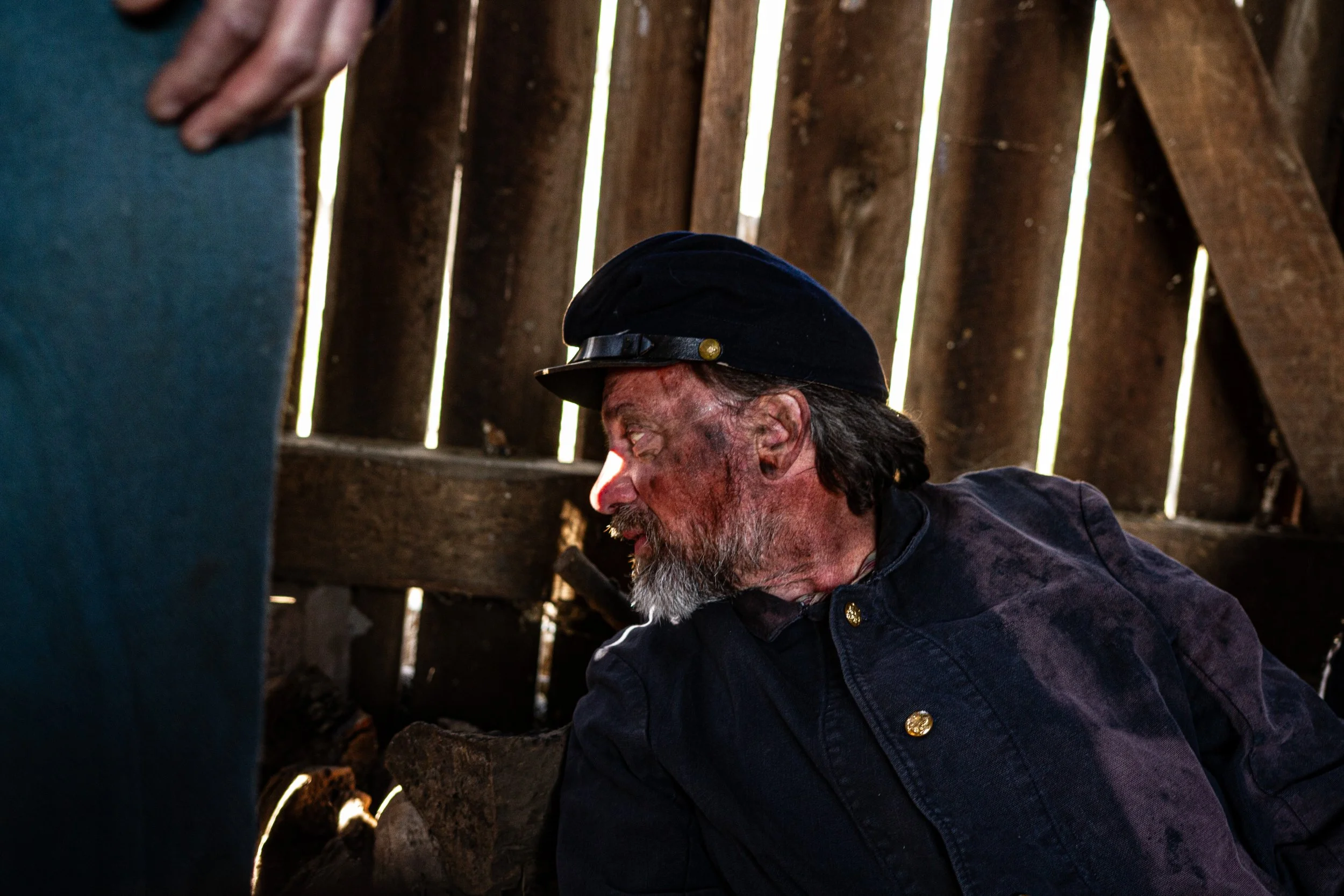
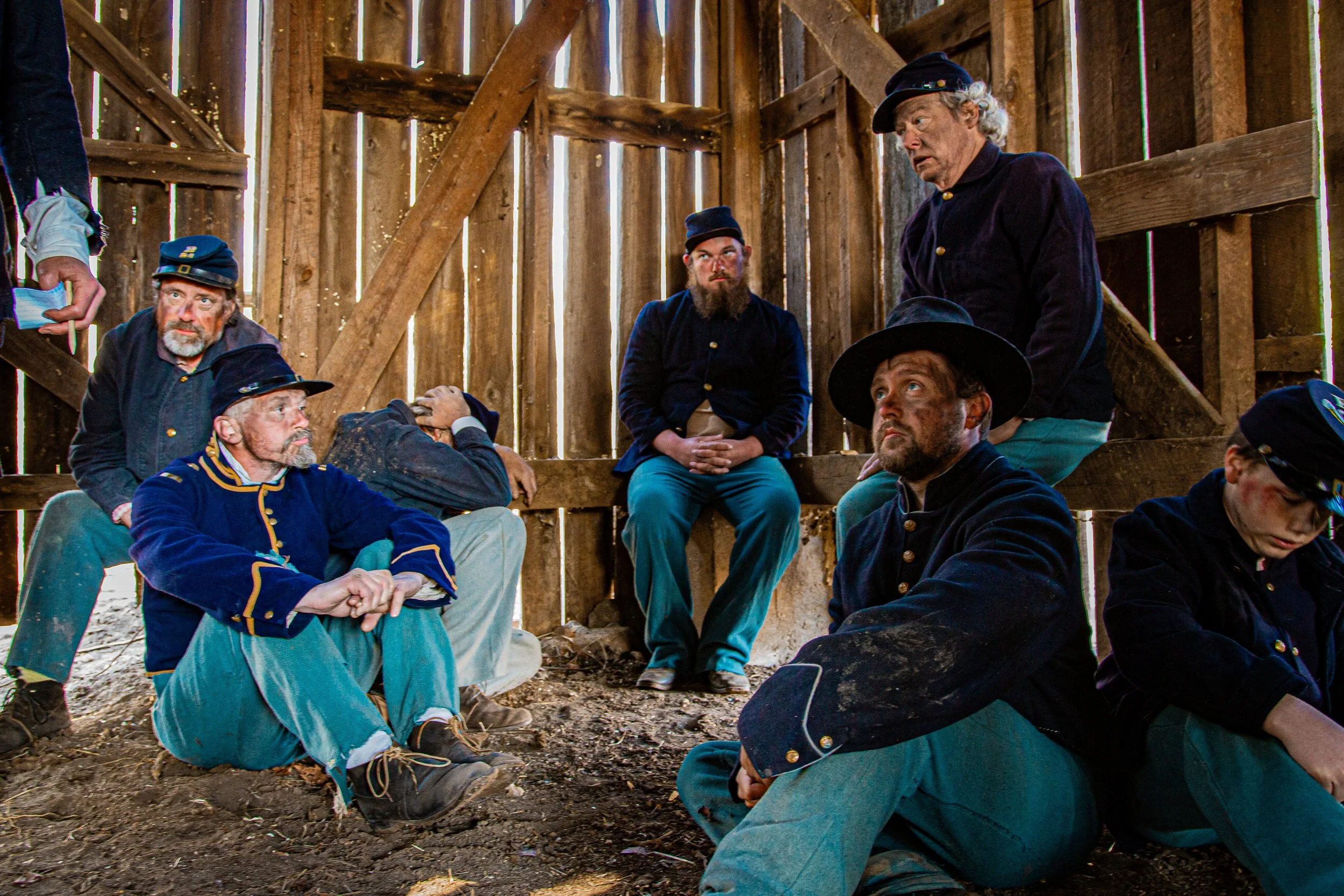
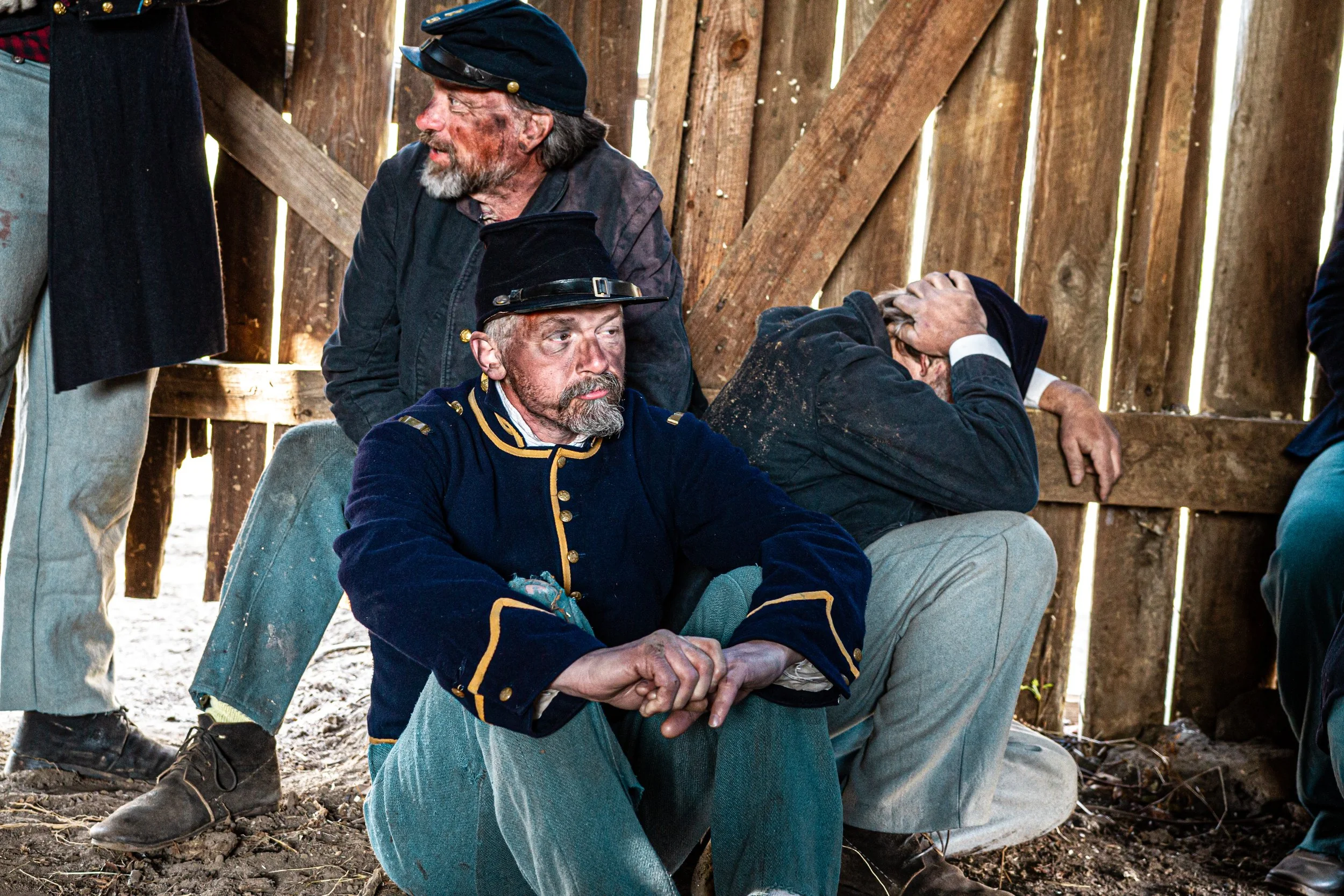
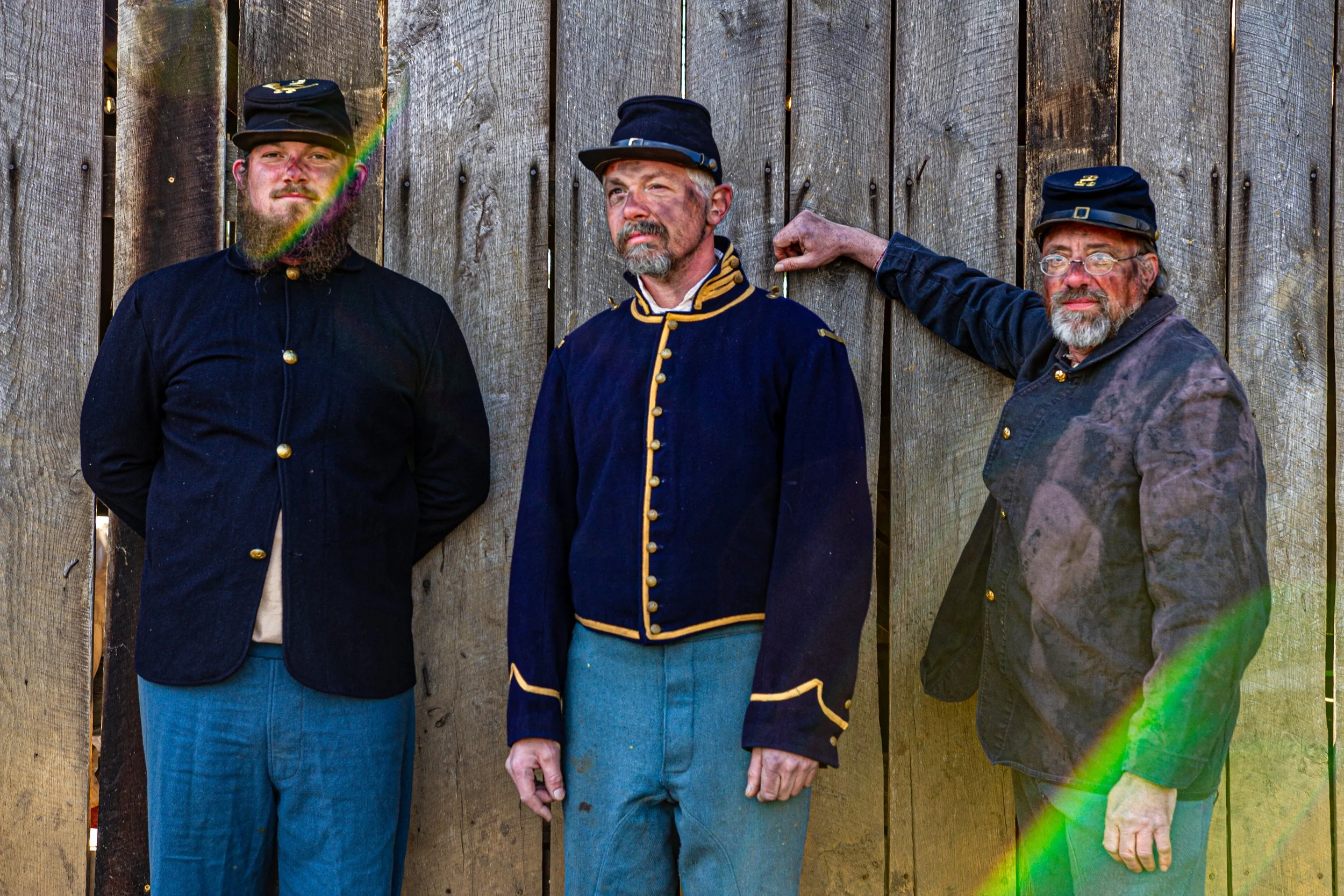
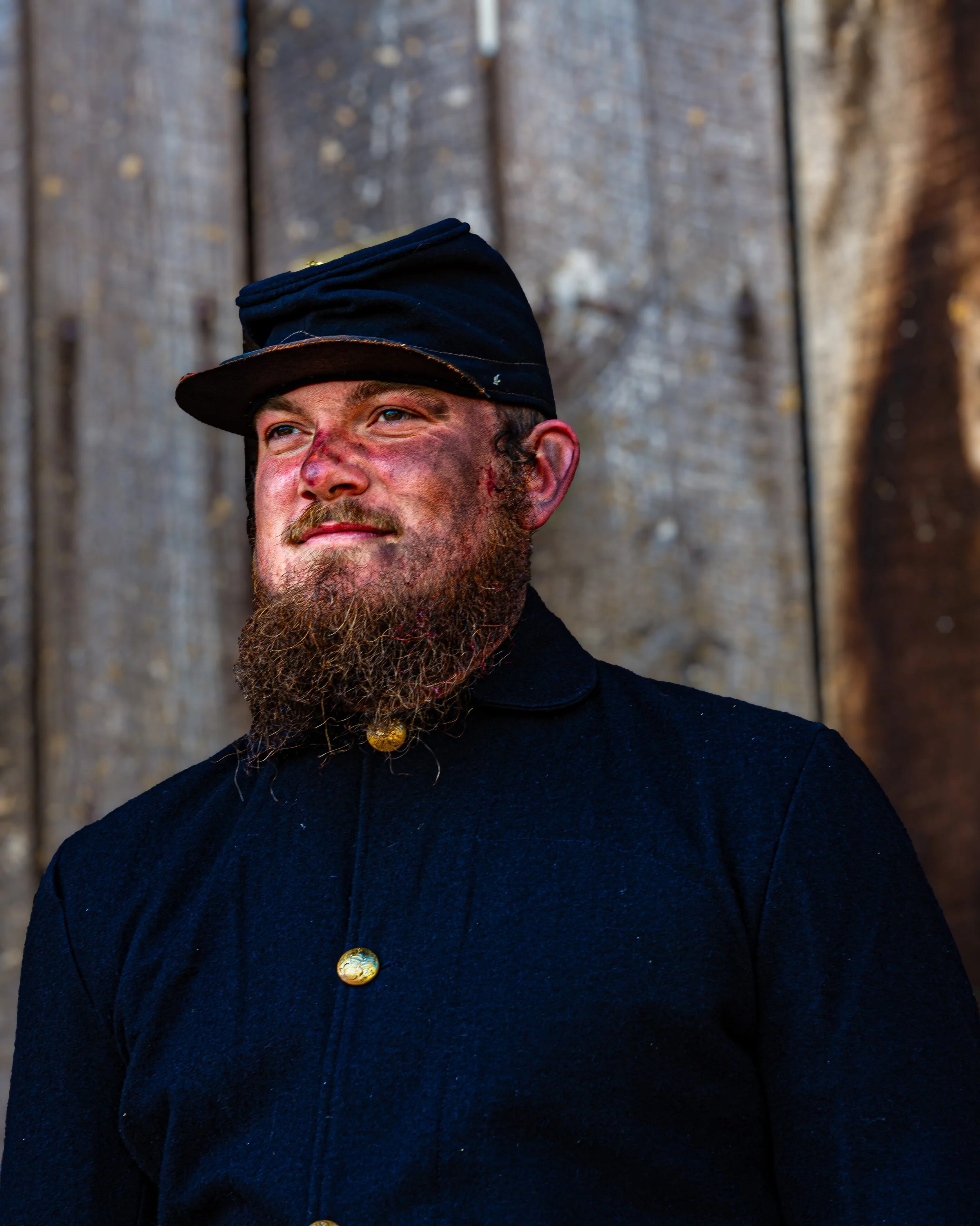
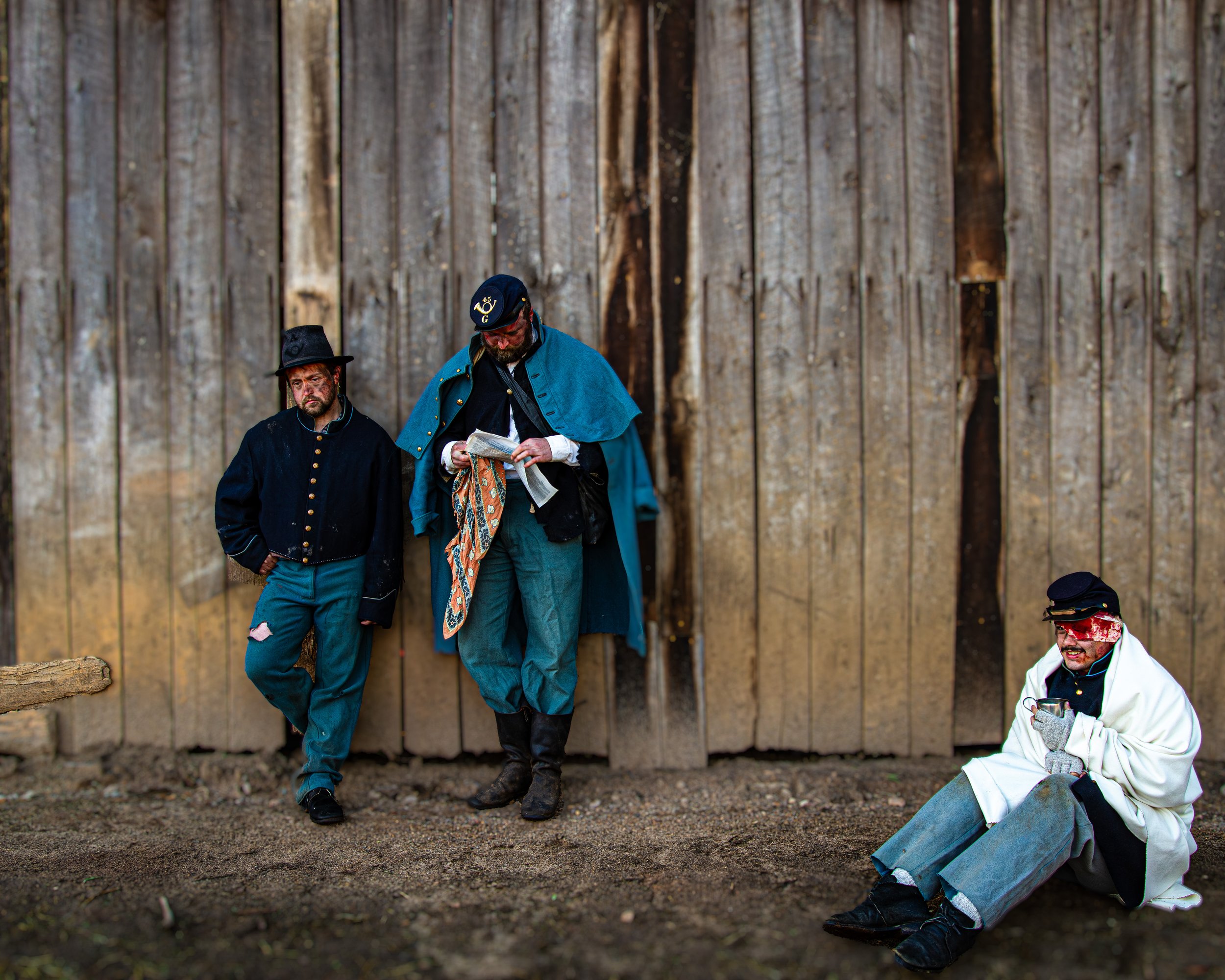
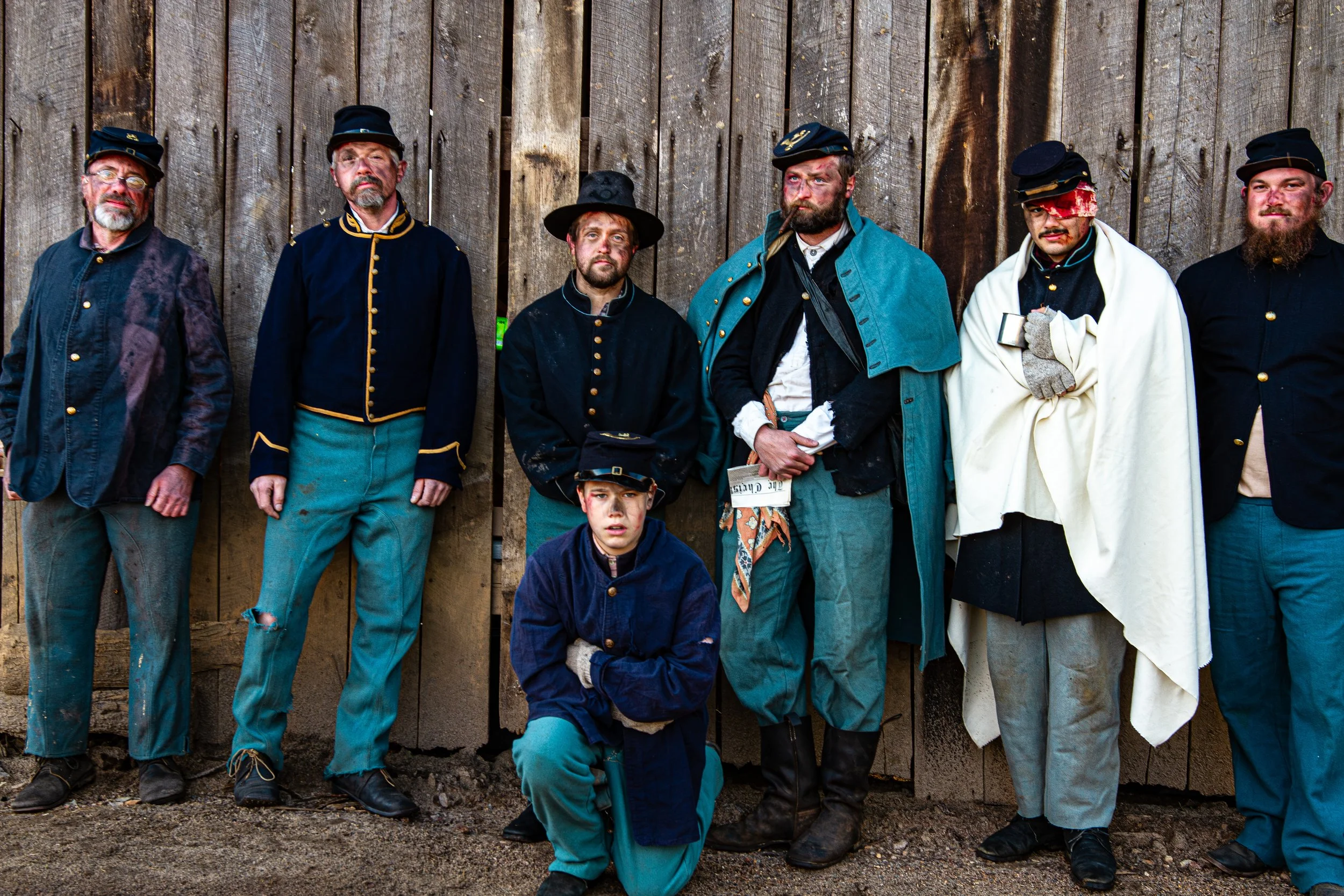
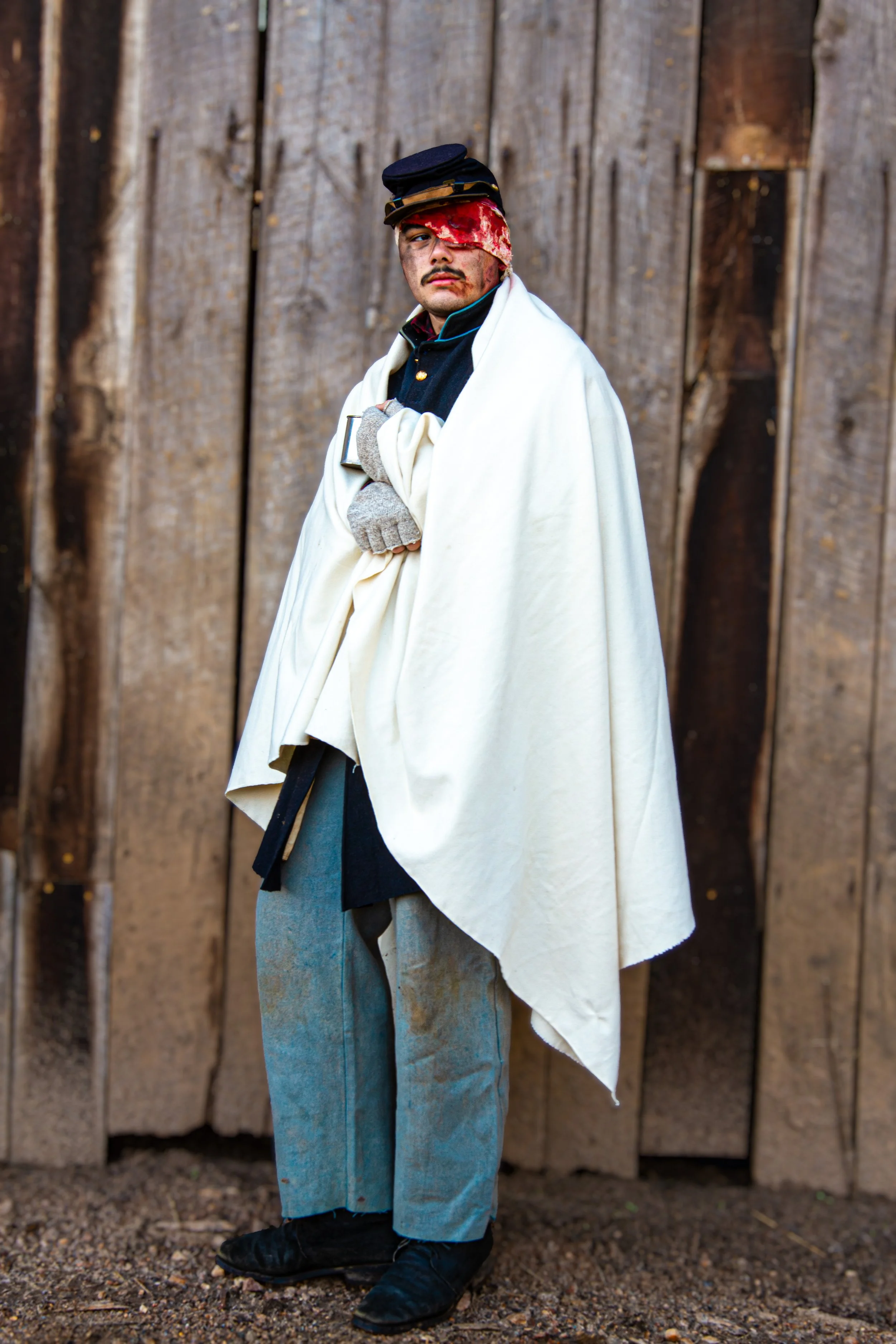
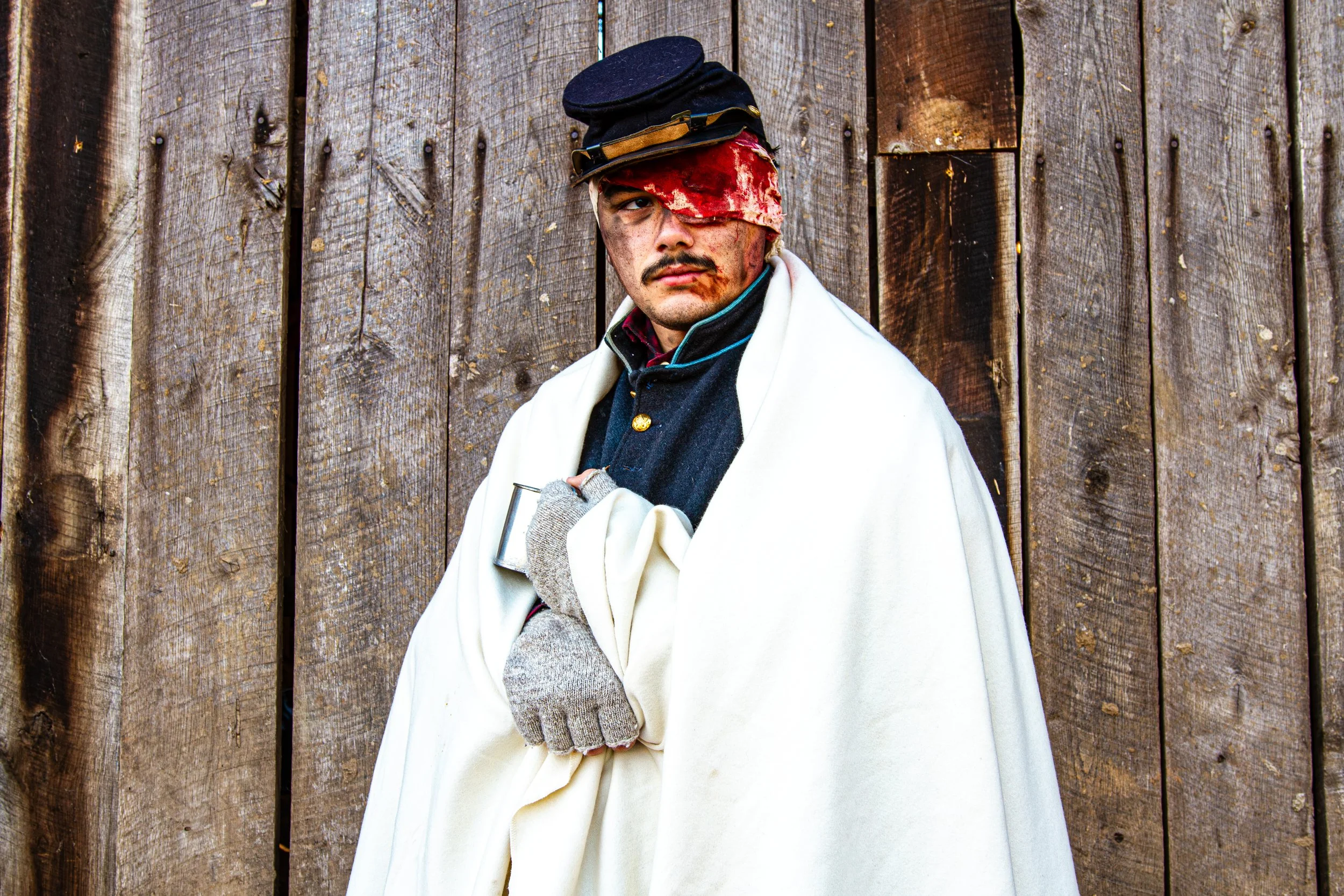
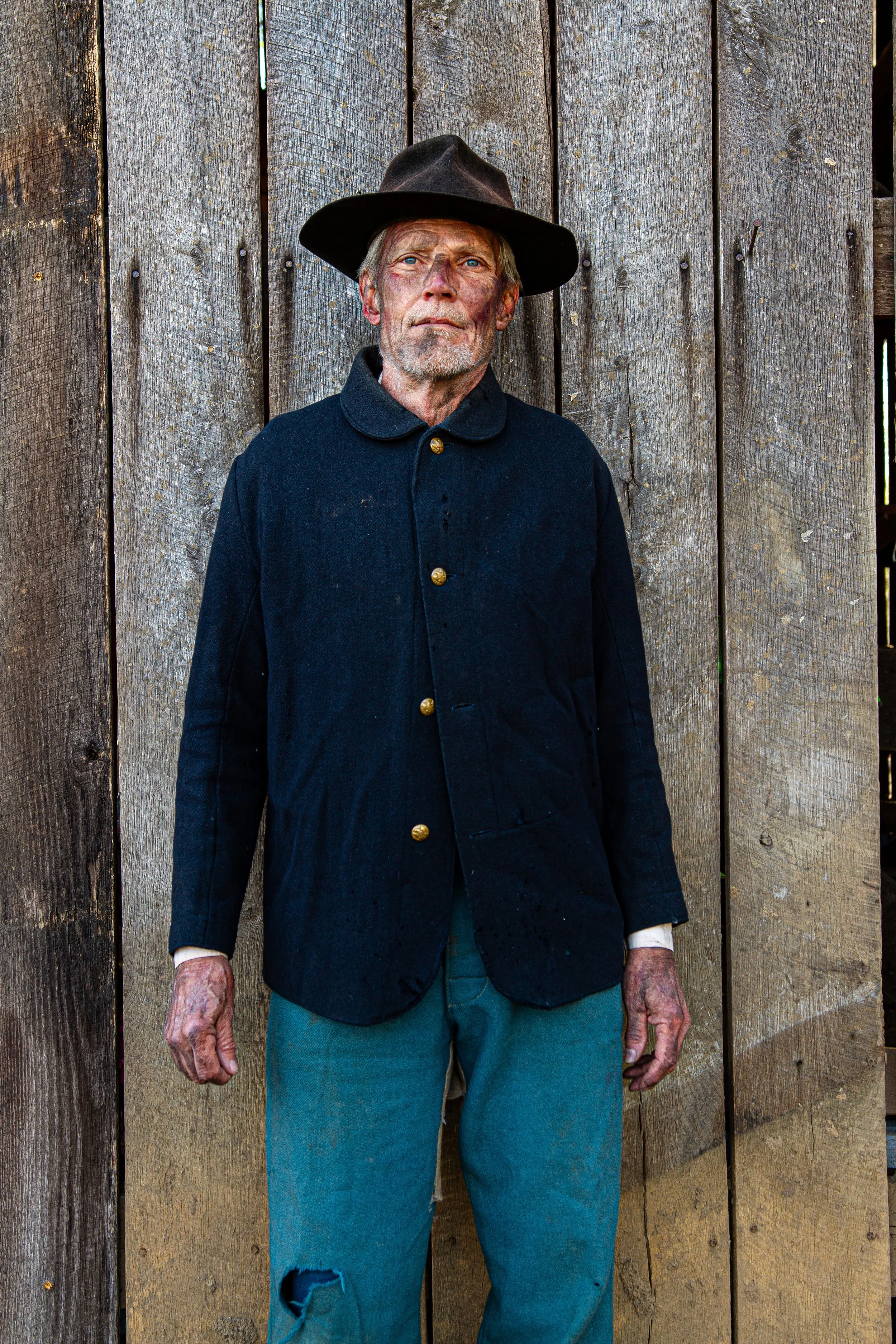
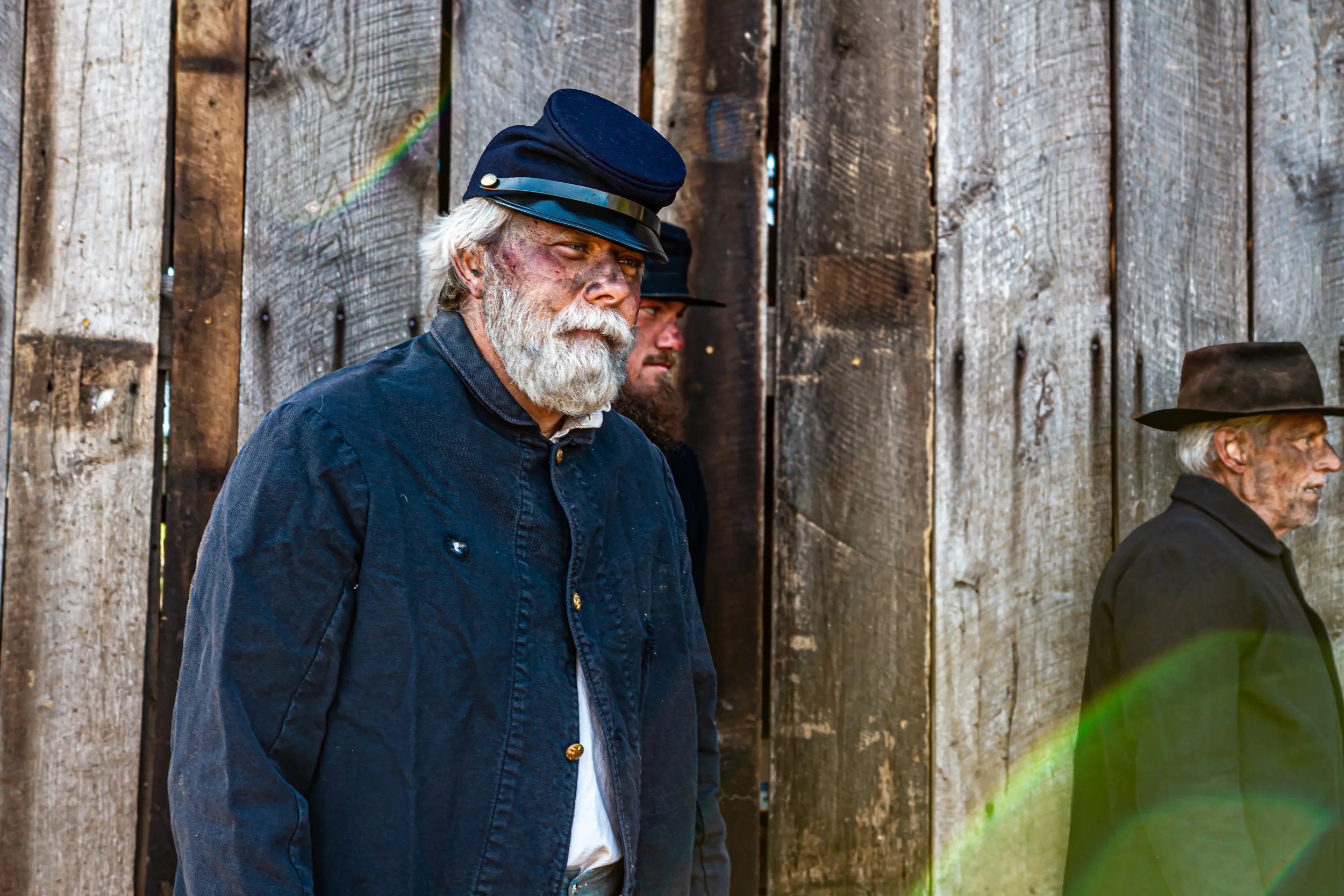
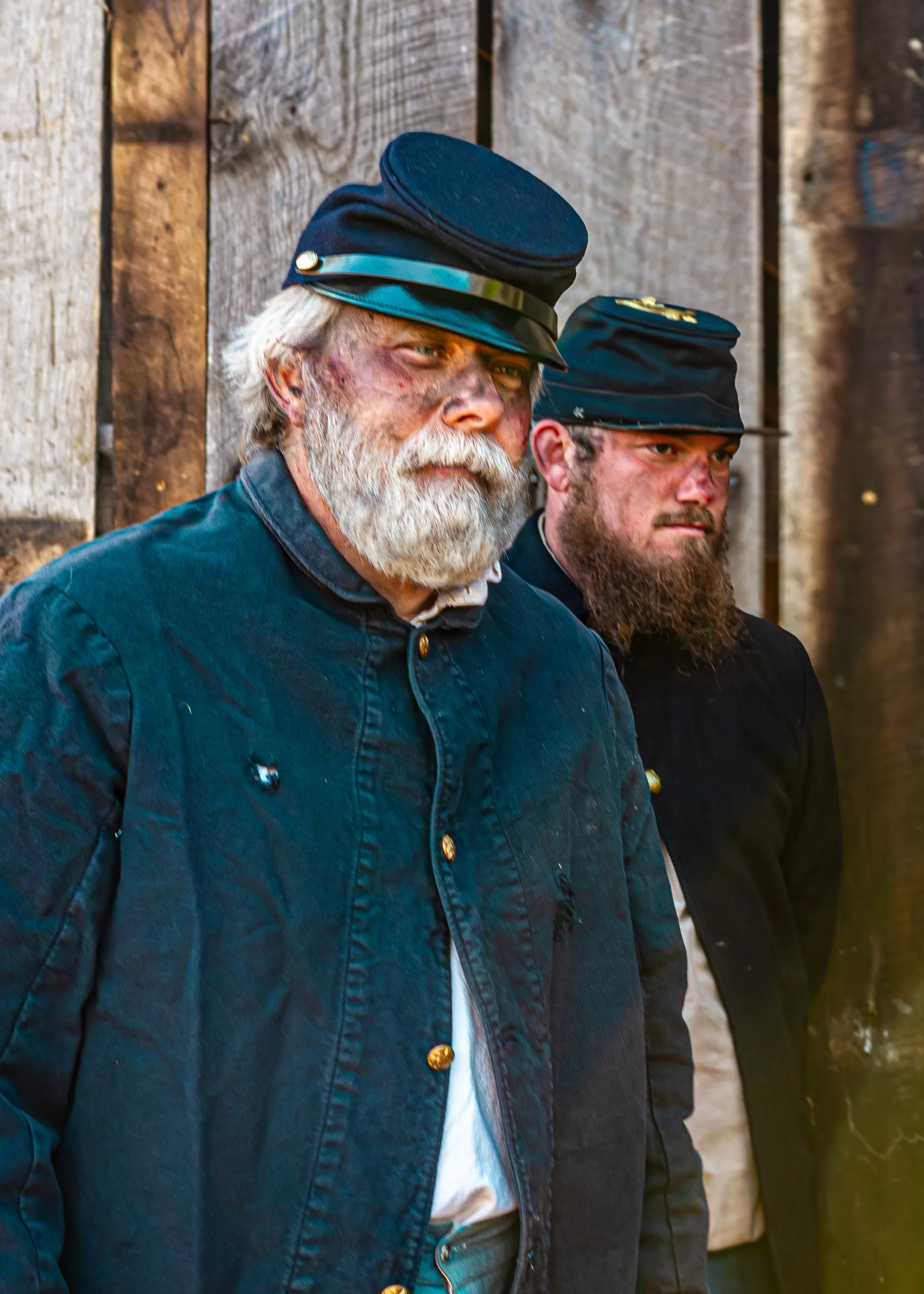
One of the most rewarding parts of working on historical documentary productions is helping modern actors disappear into the past. For a recent filming of Lynchburg at War at Blue Rock Farm in Virginia, I was responsible for creating realistic special effects makeup for approximately a dozen actors portraying Union soldiers held at Lynchburg's Civil War prisoner-of-war camp. The goal wasn't dramatic Hollywood effects, but authentic wounds, bruises, dirt, and signs of hardship that would appear believable on camera. Using a Mehron Pro FX Bruise Wheel, clean dirt, black special effects powder, fresh scab blood makeup, red-tinted bandages, and KY Jelly to create the appearance of wet blood, I transformed clean, modern faces into soldiers who looked as though they had endured weeks of difficult conditions. Every bruise, scrape, and layer of grime was carefully applied to help tell the story of men living through one of the most challenging periods of the American Civil War.
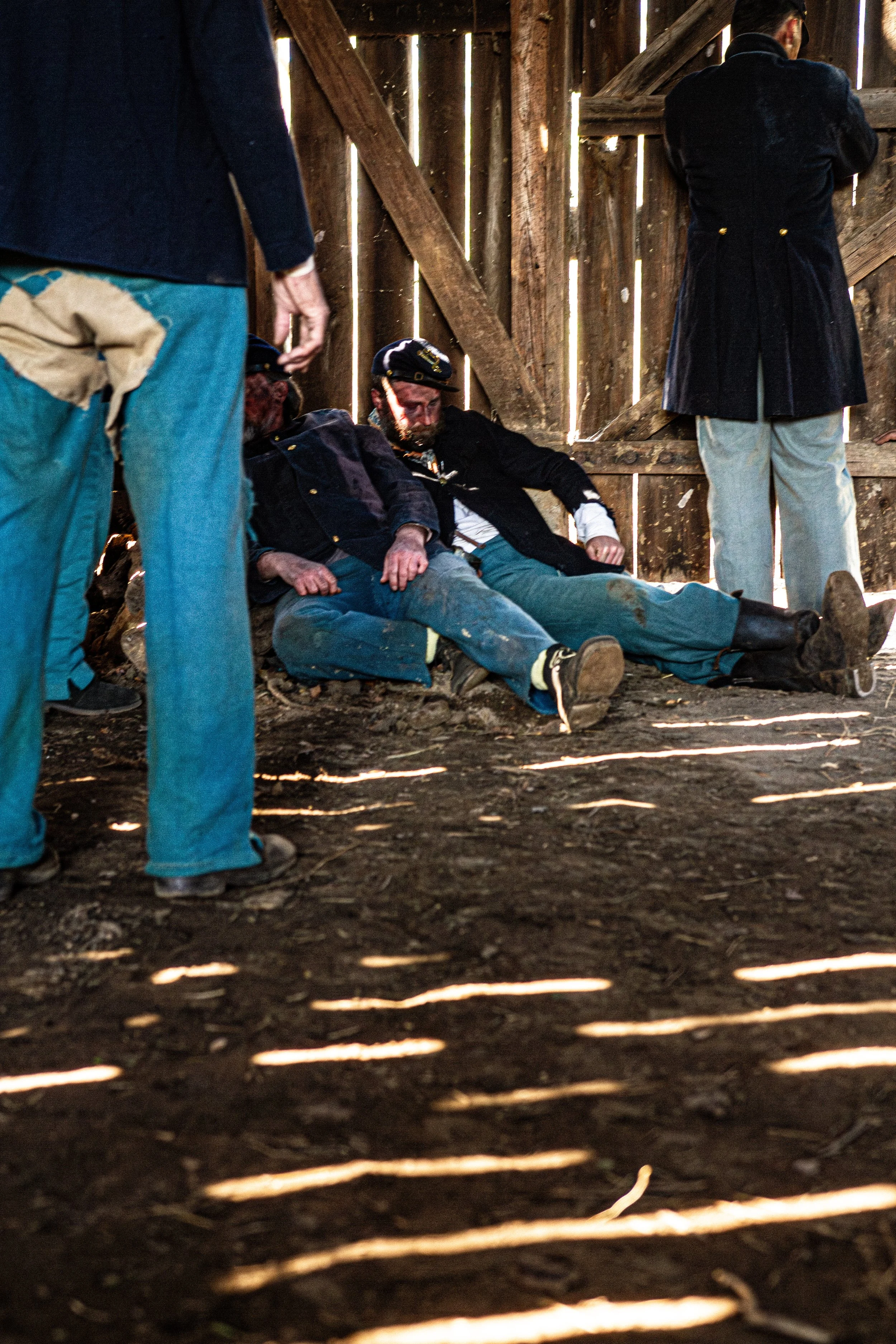
The documentary scene focused on the Union prisoner-of-war camp that operated in Lynchburg during the Civil War. As Lynchburg became a vital transportation, manufacturing, and hospital center for the Confederacy, it also served as a location for housing captured Union soldiers. As the war dragged on and prison populations grew, conditions for prisoners often deteriorated. Overcrowding, shortages of supplies, disease, and exposure to the elements created hardships for many of the men confined there. While the exact experiences of individual prisoners varied, historical accounts describe the physical toll that imprisonment could take on soldiers, making realistic makeup effects an important part of accurately portraying the period on screen.
Creating convincing special effects makeup for documentary filmmaking requires attention to details that viewers may not consciously notice but immediately recognize as authentic. A fresh bruise has different coloration than an older one. Dirt settles differently on skin than makeup alone. Bandages need to appear worn, stained, and practical rather than theatrical. For this production, the focus was on subtle realism. The combination of bruising effects, dried and fresh wounds, dirty uniforms, and weathered skin helped create the visual impression of soldiers who had been living in difficult camp conditions rather than actors who had arrived on set that morning.
Projects like Lynchburg at War demonstrate how historical storytelling relies on collaboration between historians, filmmakers, actors, and artists. Special effects makeup may seem like a small detail, but realistic wounds, bruises, dirt effects, and period-accurate aging help audiences connect with the human side of history. When viewers watch this documentary, the hope is that they see more than costumes and actors—they see real people whose experiences reflect an important chapter in Lynchburg's Civil War story.